

Quick! What was the biggest hit on the American charts in 1969? The Archies’ “Sugar, Sugar,” a song taken from a top-rated cartoon (“The Archie Show”) based on the classic comic strip. One of the other popular Saturday morning cartoons was “The Bugs Bunny and Road Runner Show,” which just so happened to inspire the naming of a certain Chrysler Corporation car that was introduced for 1968. That car and our Pick of the Day, the Plymouth Road Runner, would surpass the traditional best-seller of the segment in 1969. One of these cars is listed on ClassicCars.com by a dealership in Columbus, Ohio.
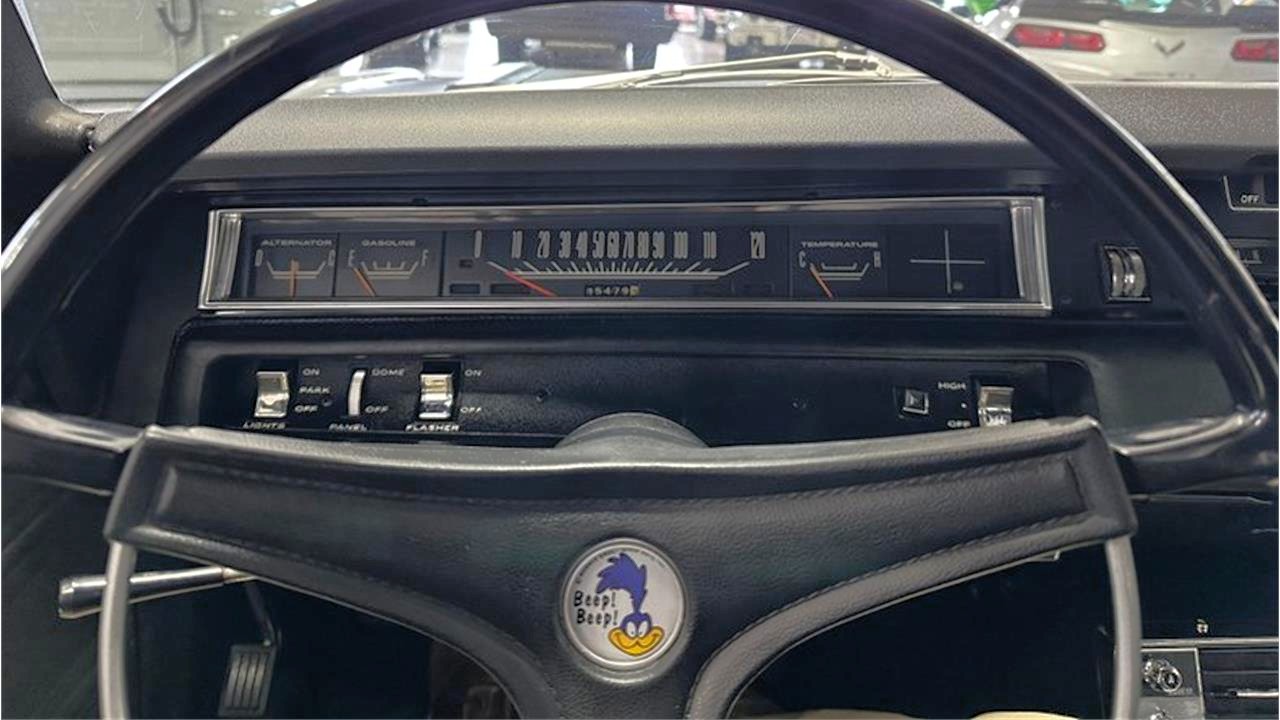
The Road Runner character had its start in 1949 in the Warner Brothers cartoon “Fast and Furry-ous,” which also starred a determined wild dog named Wile Ethelbert Coyote. The run lasted through 1966, though about a dozen more cartoon shorts or movie appearances have been made since 1979. Kids in the 1960-80s were able to get their fill post-1966 from “The Bugs Bunny and Road Runner Show” on Saturday mornings. This show was the impetus for a Plymouth executive to suggest a name for the 1968 vehicle being created to “build an affordable, stripped-down mid-size performance car with a big engine.”
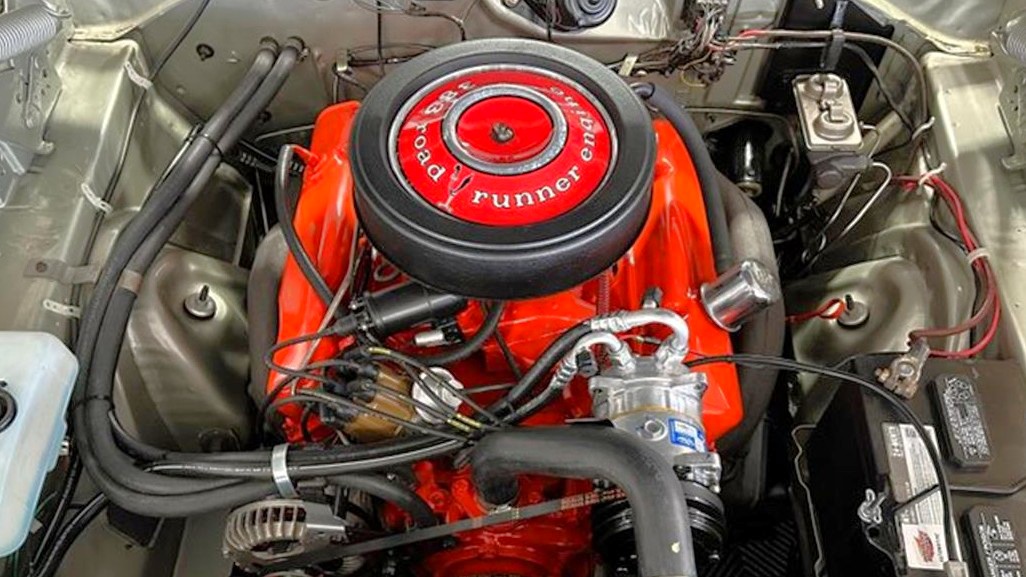
This car was developed to chase the youth market, according to Car and Driver’s Brock Yates, who had been consulted for advice. If you looked at the performance car market in 1967, you’d note that the Pontiac GTO and even Plymouth’s GTX were upscale models, but there were practically no companies that offered a downscale performance car. By basing the model on the austere Belvedere, including a beefy 383 and four-speed, and keeping the base price below $3000, Plymouth exploited a blind spot in the high-performance market. A buyer could have purchased a Belvedere with a 383 four-barrel and basically have the same thing, but marketing played a strong role—compare the 44 thousand Road Runners to the 43 U.S.-spec Belvedere coupes built with the 383 four-barrel. (If you think comparing the Belvedere to the Road Runner is an unfair comparison, it should be mentioned that 1966-67 Belvedere I sedans equipped with the 383 numbered under 100 each year.)
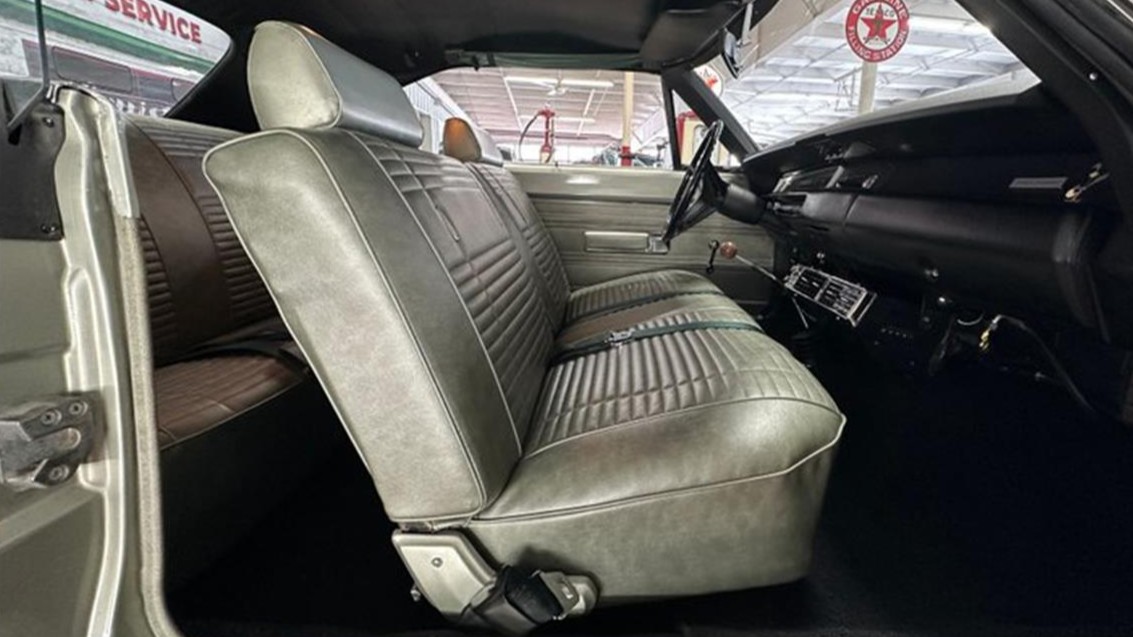
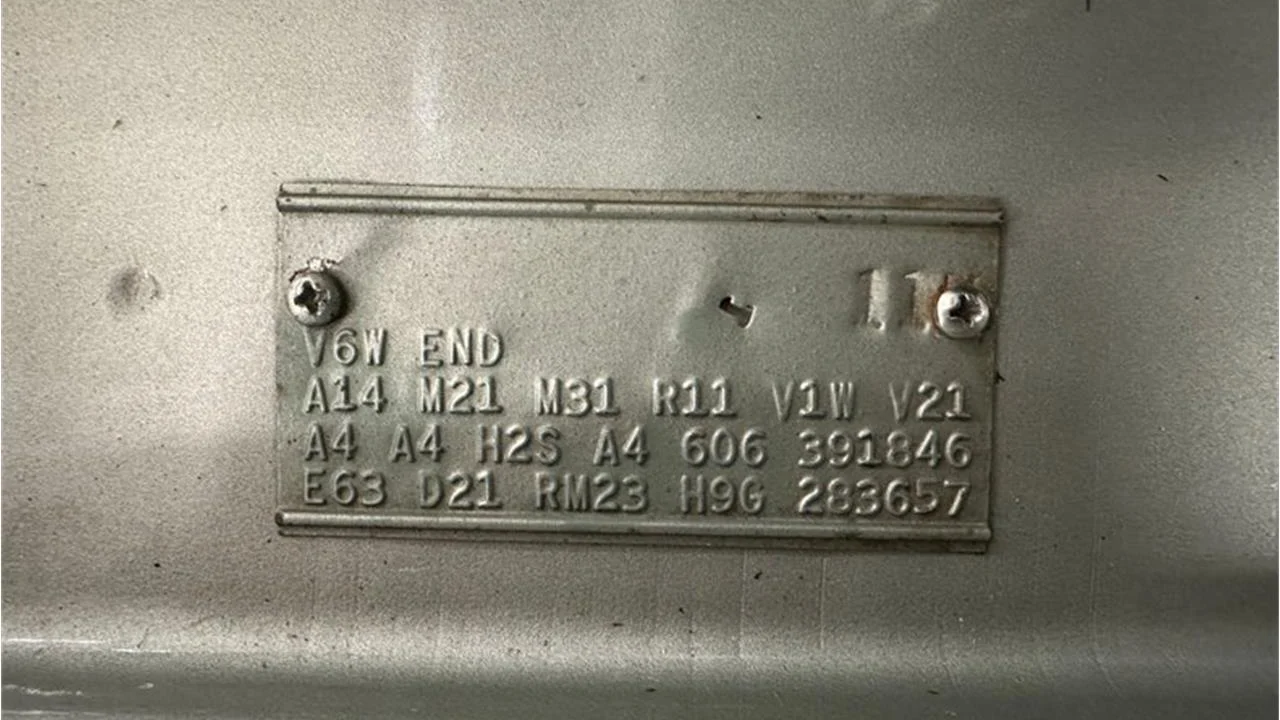
The heights the Road Runner would achieve in the following model year marked a turn for the market, as the Pontiac GTO was no longer the king of sales. With over 84,000, there’s bound to be many Road Runners that appear the same as each other, but there’s also a lot of room to find one that’s slightly different from the rest. This 1969 Plymouth Road Runner hardtop is typical among Road Runners, featuring a bench seat, four-speed, vinyl top, and V21 hood stripes, but how it’s trimmed is what makes it unique—can’t be many “A4” Silver metallic Road Runners with a white vinyl top. Also noteworthy is the bench seat in Pewter, a color not often seen as an interior choice among manufacturers though it’s quite neutral and was available with most exterior colors Plymouth offered in 1969.
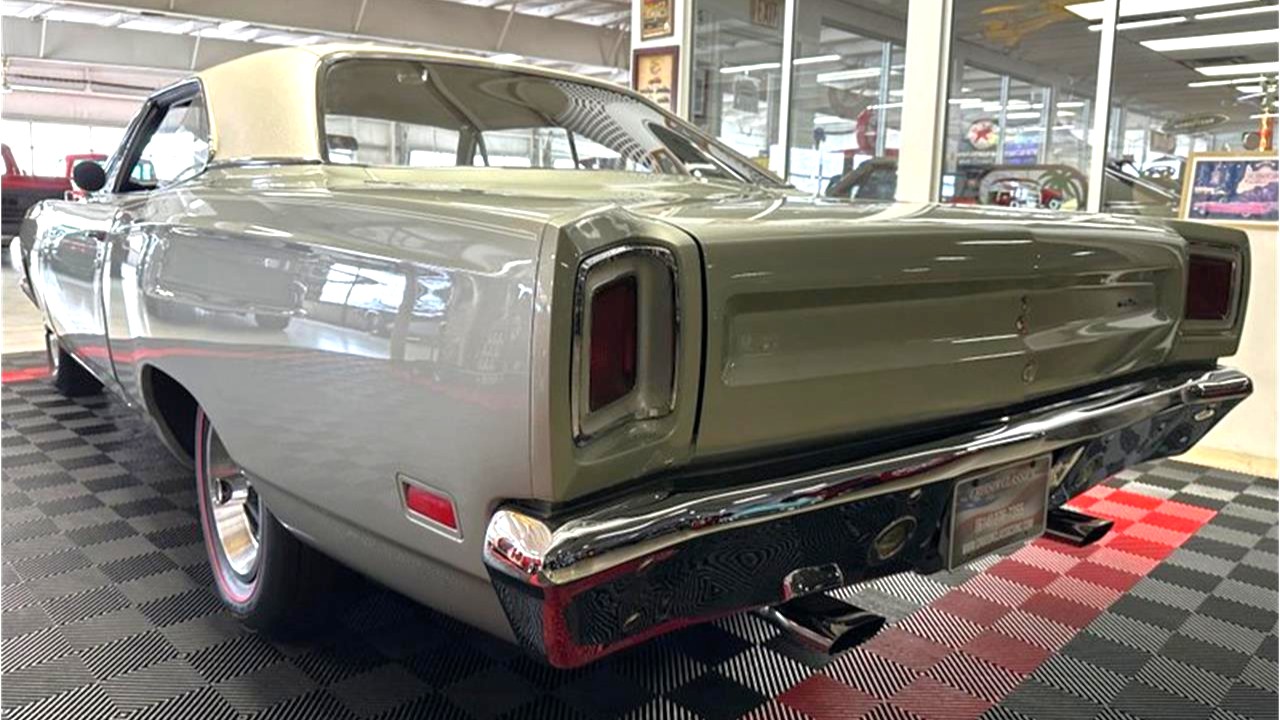
Additionally, this Road Runner was originally ordered with “V6W” longitudinal Sport Stripe, though the car currently sports the thinner “V7W” accent stripe. This Road Runner was also built during the season when Plymouth was offering a spring value package. Coded “A14,” the Spring Special Group gave you a vinyl top, wheel-lip moldings, drip-rail moldings, and bright beltline moldings—a little chrome candy to make the Road Runner appear a bit more premium than it really was. Note the accessory under-dash air conditioning inside too!
“Sugar, Sugar” was peak bubblegum created by a studio group. It could be said that the Plymouth Road Runner was its automotive incarnation, a vehicle targeting enthusiasts 18-20 that blasted to success thanks to its cartoonish appeal. Even if you think you’re too old for bubblegum and cartoons, this sugary Plymouth is bound to appeal to both young and old when you take it out.
Click here to view this Pick of the Day on ClassicCars.com
