

New research commissioned by dashcam brand Nextbase suggests Australian roads become markedly more hostile in the lead-up to Christmas, with almost four in five drivers saying they have witnessed or experienced road rage.
The nationally representative survey of 1005 adults, conducted in November 2025, asked Australians about their experiences with road rage and festive-season driving.
In response to the question “Have you ever witnessed or experienced road rage?”, 78 per cent said yes, 20 per cent said no, and 2 per cent were unsure.
The holiday period appears to make things worse. Almost half of respondents, 48 per cent, said they find driving during the holiday period more stressful than at other times of the year. Around 35 per cent said it feels about the same, while 16 per cent find it less stressful. Just 1 per cent were unsure.
CarExpert can save you thousands on a new car. Click here to get a great deal.
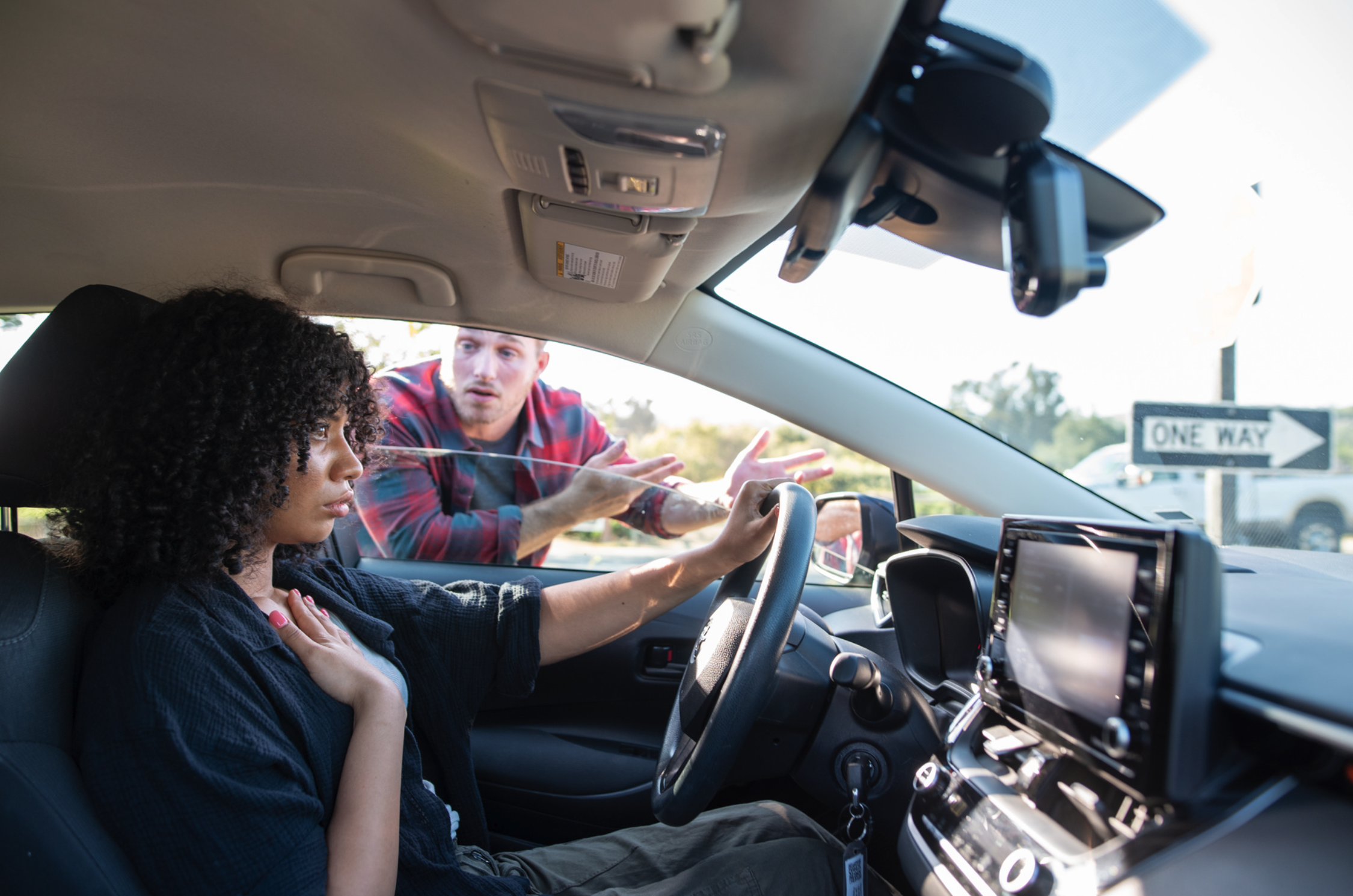
When asked when the roads feel most hostile or aggressive during the festive period, 23 per cent of respondents pointed to the week before Christmas. A further 23 per cent said the roads feel hostile throughout the entire festive season.
About 11 per cent nominated school holidays, 8 per cent Christmas Eve or Christmas Day and 4 per cent New Year’s Eve or New Year’s Day. Eighteen per cent said they don’t notice increased hostility, and 8 per cent were unsure.
The survey also asked drivers how they are most likely to react if another driver did something that frustrated them during a stressful festive journey. Swearing under their breath and staying calm were the joint top responses, each chosen by 41 per cent of respondents.
About 21 per cent said they would sound the horn at the other driver, 19 per cent said they would make a hand gesture, 8 per cent said they would shout, and 2 per cent said they would get out of the car to confront the other person. Respondents could choose more than one option.
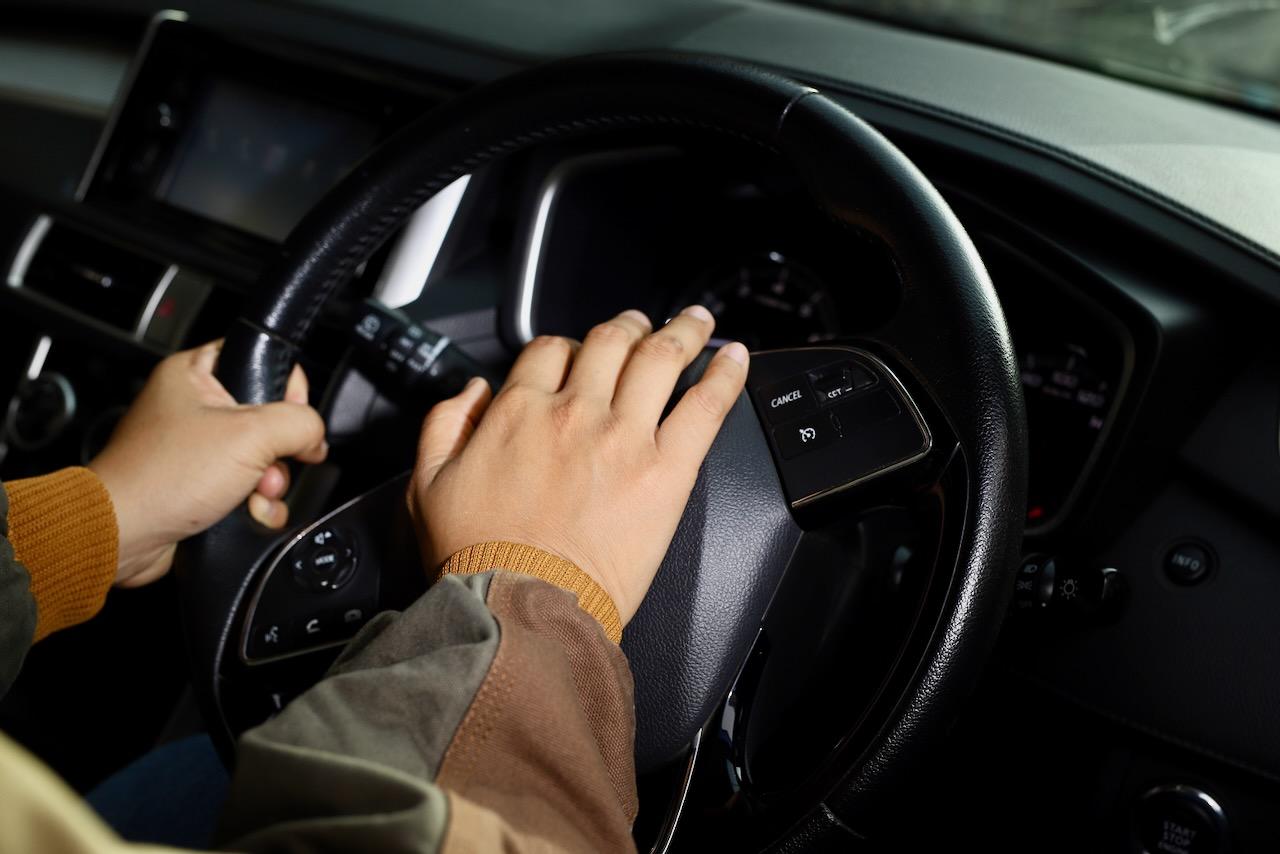
Key findings from this question are summarised below.
| Likely reaction if frustrated during a festive journey | Share of respondents |
|---|---|
| Swear under my breath | 41 per cent |
| Do nothing and stay calm | 41 per cent |
| Sound the horn at the other driver | 21 per cent |
| Make a hand gesture | 19 per cent |
| Shout at the other driver | 8 per cent |
| Get out of the car to confront them | 2 per cent |
| Other | 1 per cent |
Among those who had already witnessed or experienced road rage (787 respondents), the emotional impact was significant.
Nearly a quarter, 23 per cent, said the incident left them feeling angry. Nineteen per cent said they were intimidated, 16 per cent said they were upset and 14 per cent said they were worried. The rest either felt scared to continue their journey or felt isolated. Twelve per cent were unsure how they felt.
Taken together, around half of those affected said they felt worried, isolated, intimidated, or too scared to keep driving, rather than simply angry.
| How a road rage incident made them feel* | Share of respondents* |
|---|---|
| Angry | 23 per cent |
| Intimidated | 19 per cent |
| Upset | 16 per cent |
| Worried | 14 per cent |
| Scared to continue my journey | 11 per cent |
| Unsure | 12 per cent |
| Fear | 3 per cent |
| Isolated | 2 per cent |
*Among respondents who had witnessed or experienced road rage
The Nextbase findings sit alongside a string of recent surveys suggesting road rage is entrenched in Australian driving culture.
A 2024 analysis by comparison site Finder, based on a survey of 1056 people, reported that roughly three in four Australians say they have experienced some form of road rage, with tailgating and aggressive horn use among the most common behaviours, and a small but significant minority saying they had actually been injured by another driver.
Academic work paints a similar picture. An article from UNSW Sydney, drawing on NRMA research published in 2024, noted that many drivers in NSW and the ACT had seen behaviours such as tailgating, repeated horn use, angry gestures, deliberate cut-ins and even drivers getting out of their vehicles to confront others.
