

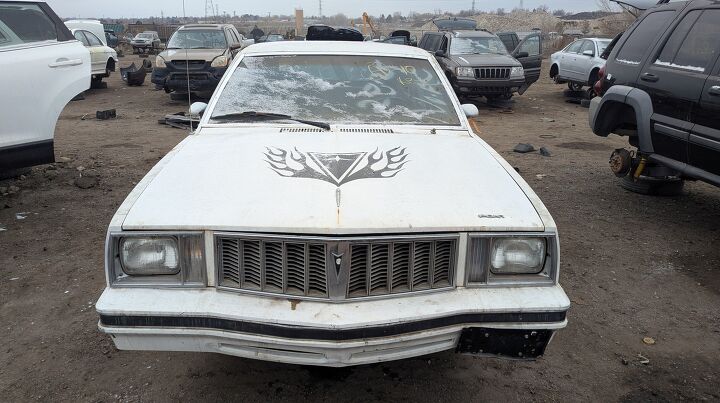
Every time I find a 1980-1985 GM X-Body car in a junkyard, I think something like this will be the last one I see for a decade, because there can’t be any more of these heaps left. But then another shows up, and another, and another. The latest is this Phoenix in a Denver-area boneyard.
This time, two full years had gone by; I’d documented a 1984 Oldsmobile Omega Brougham with a Goodwrench replacement engine in a California yard in December of 2023.
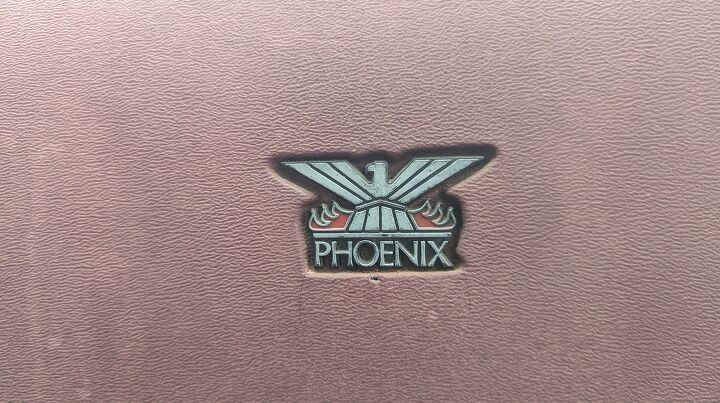
The front-wheel-drive X-Body was the replacement for the 1961-1979 rear-wheel-drive X-Body, essentially the Chevy Nova and all its many relatives. The biggest seller was the Chevrolet Citation, but car shoppers could buy the same car with Buick badges (Skylark), Oldsmobile badges (Omega) and Pontiac badges (Phoenix).
These cars were roomy front-drivers on a small footprint, with fuel economy far superior to that the antiquated ’79 Nova. They could have been good cars, but GM made some terrible mistakes and they ended up leading a disastrous decline in The General’s market share during the 1980s.
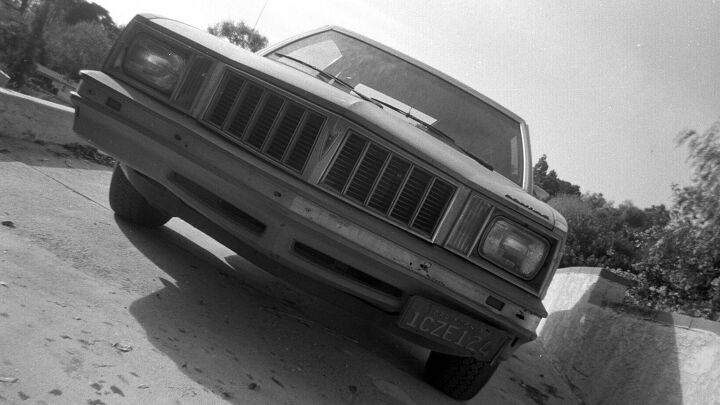
I have some painful personal experience with the X-Body Phoenix. A close friend in college inherited a two-year-old 1984 Phoenix from his grandmother, and I spent a lot of time in that car. It was a base two-door with Iron Duke and four-speed manual.
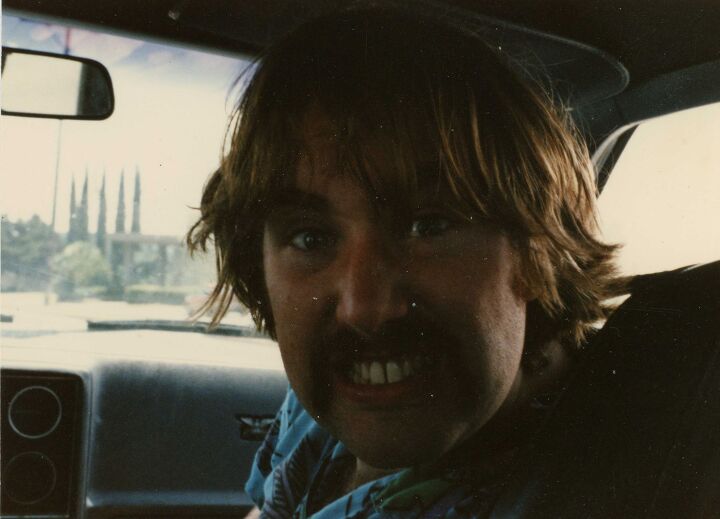
Here I am in the passenger seat, circa 1986. My friend’s Phoenix still smelled like a new car, but it suffered from constant electrical and mechanical woes.
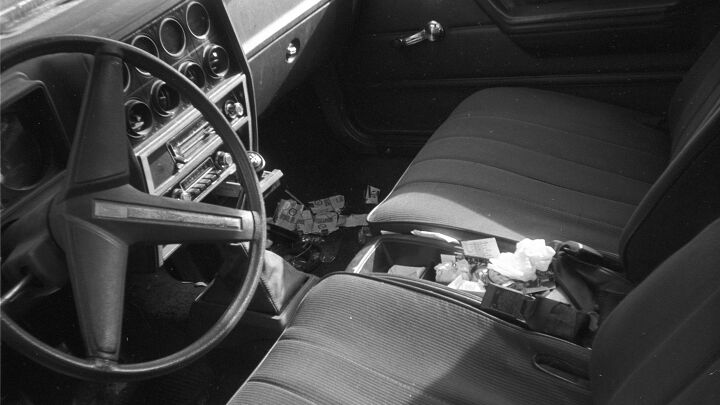
I worked on that Phoenix numerous times, and my strongest memory of that car was the sensation that its lower-than-low-bidder components were just crumbling beneath my fingers as I tried to get the carburetor or turn-signal switch working again. It ended up getting crushed before reaching its eighth birthday.
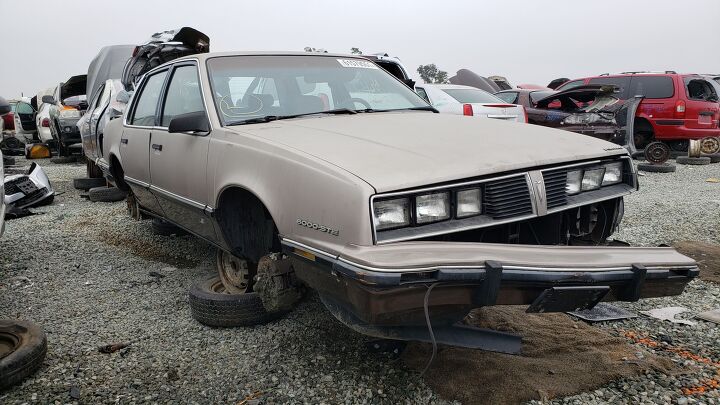
GM used the X platform as the basis of the far more successful A platform, which gave the world the Chevrolet Celebrity and its Buick/ Oldsmobile/ Pontiac siblings and stayed in production all the way through the 1996 Olds Ciera.
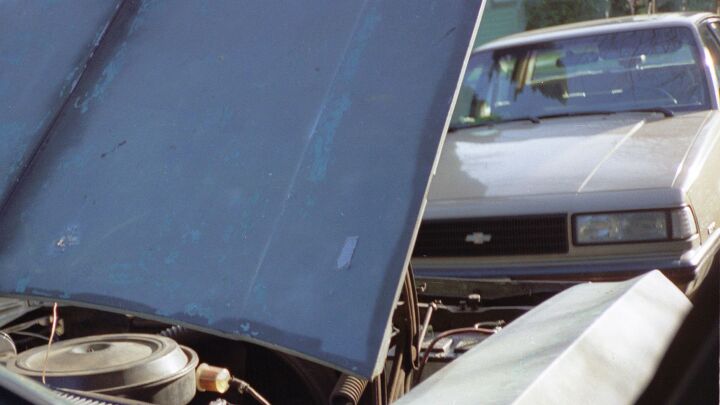
The A-Body was a better car than its X-Body ancestor, but my own family’s experience with a breathtakingly shoddy 1987 Chevrolet Celebrity Eurosport caused my patriotic Midwestern parents to give up on Detroit products forever and switch to Toyota (and this came after they dredged up forgiveness to Detroit for the horrid 1979 Ford Granada they’d owned before that).
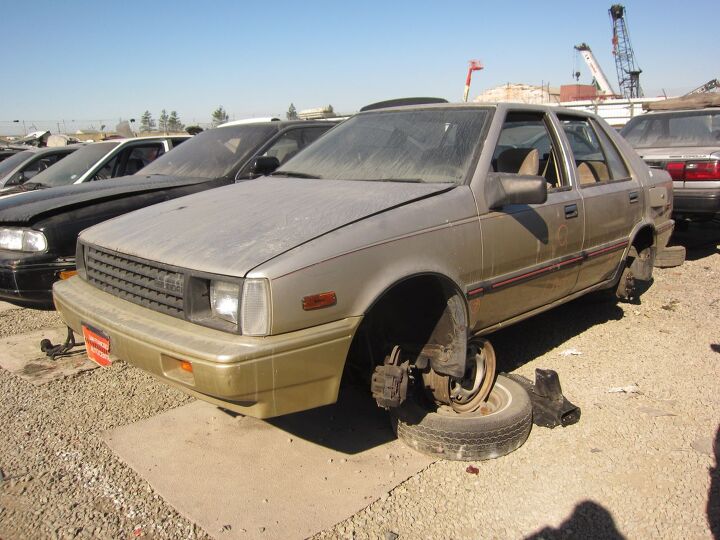
I think the early Hyundai Excel managed to be a worse car than the X-Body, judging by all the shiny 15,000-mile Excels I found in junkyards during the late 1980s, and maybe the Yugo was nearly as wretched.
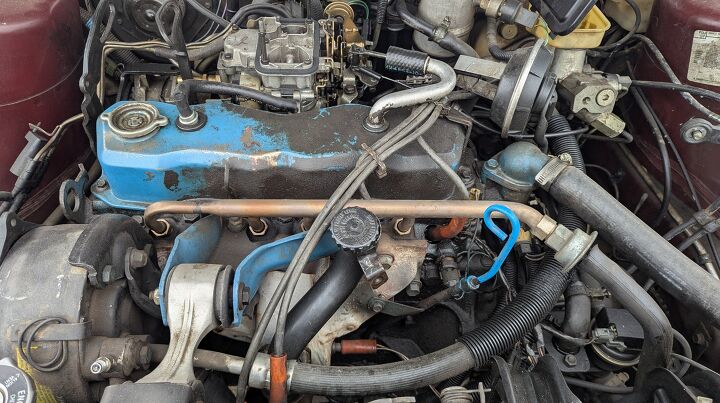
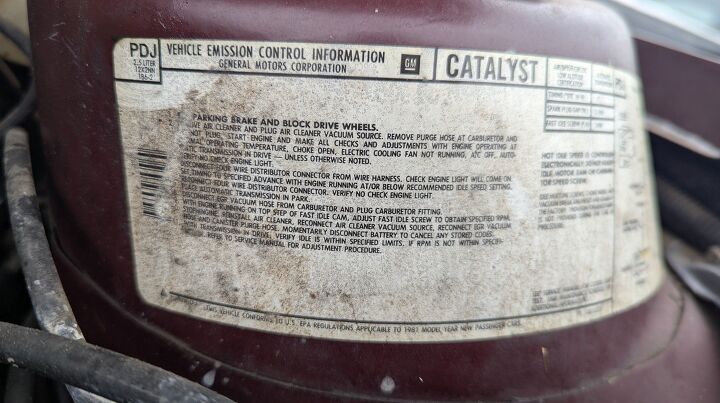
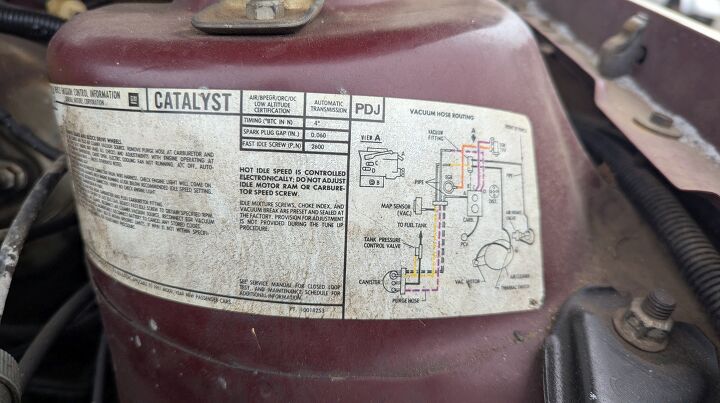
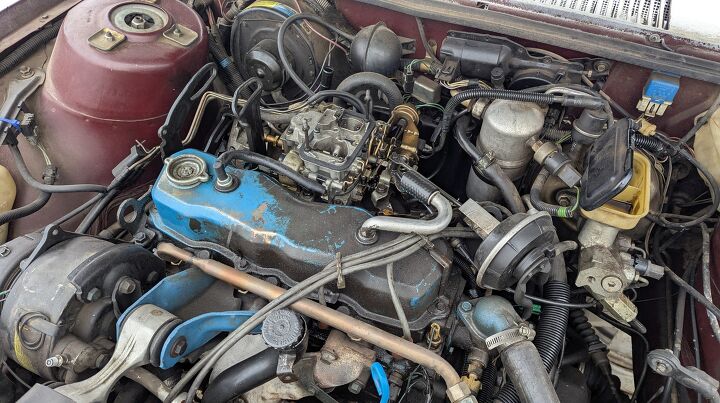
Now that we’ve had our X/A history lesson, let’s take a look at this early Phoenix. The build tag on the driver’s door got sprayed over when a thick coat of backyard-applied white paint went over the original Metallic Maroon, but we can see it has the base engine.
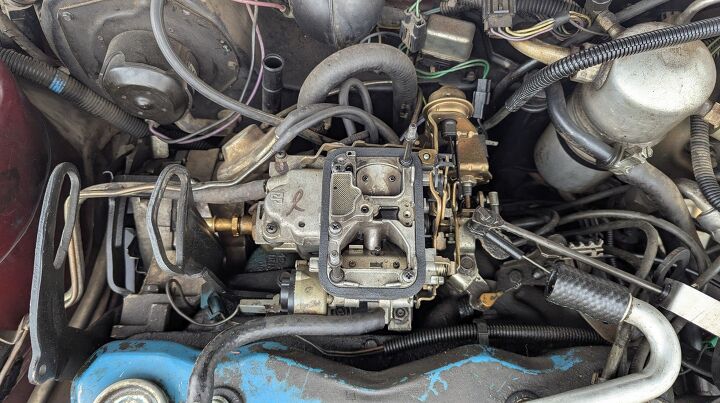
Yes, the carbureted Iron Duke, which became known as the Tech IV when it got throttle-body fuel injection later in the decade.
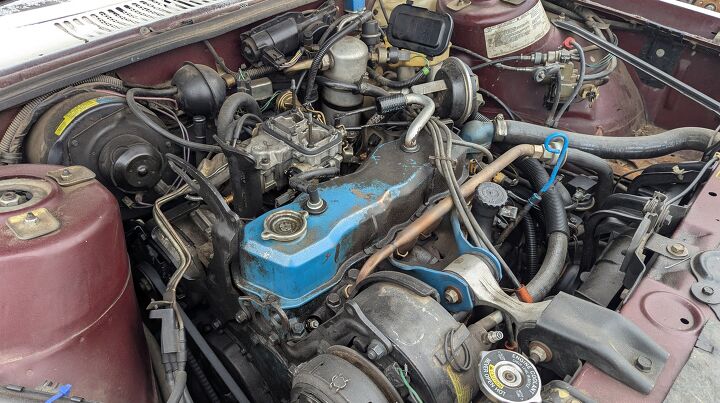
The early-1980s Duke held together fairly well, if you didn’t count all the failure-prone accessories bolted to it, but it was a large-displacement pushrod four with no balance shafts, designed to save money by sharing tooling with the Pontiac 301 V8. GM did its best to isolate the Duke’s shake-shake-shaking from the car’s occupants, but there was no ignoring how antiquated this engine was compared to its Japanese rivals.
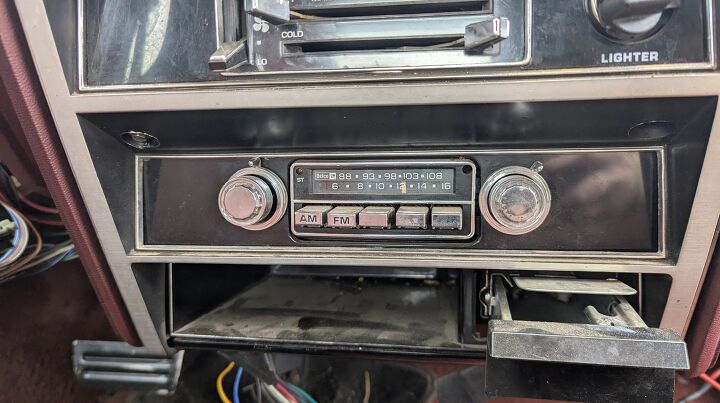
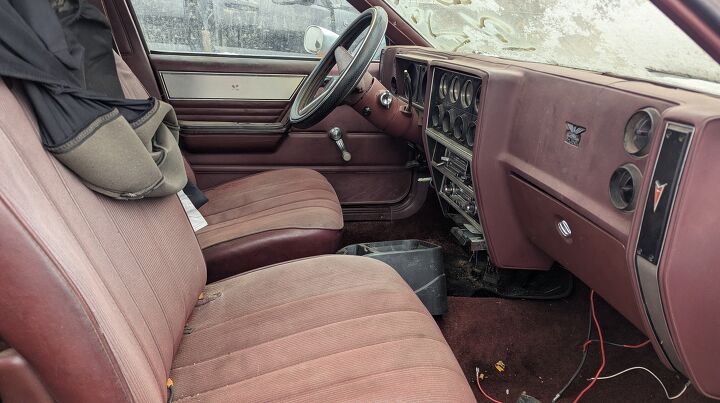
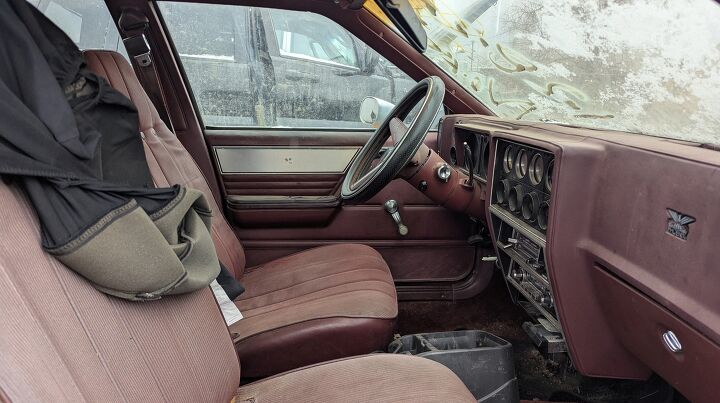
This car appears to be the base trim level, because it’s lacking a bunch of stuff that went on the more upscale Phoenix LJ in 1981. That said, the original buyer opted for some nice extras, including this AM/FM stereo radio ($100 in 1981 dollars, $374 in 2025 dollars). Just the thing for listening to Adrian Belew’s most famous riff in ’81!
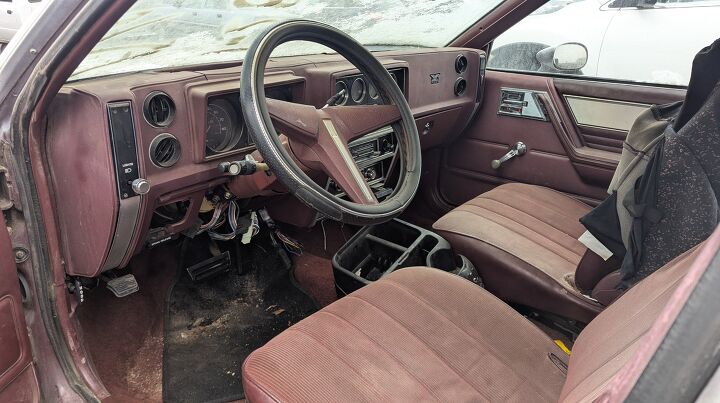
There’s also air conditioning ($585 then/$2,179 now), an automatic transmission ($349 then/$1,300 now) and other options, on top of the $6,732 list price ($25,080 after inflation).
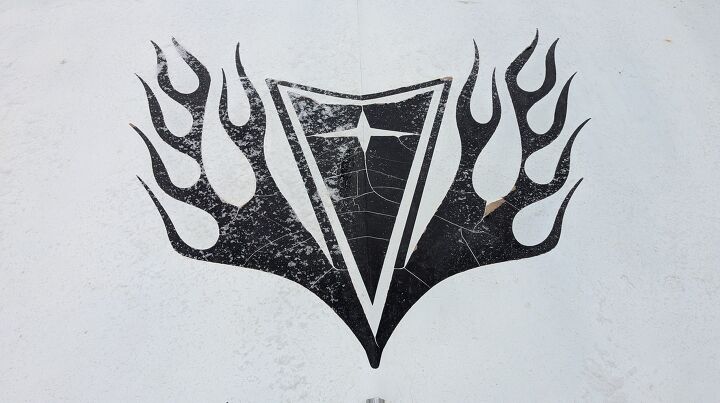
I want to know more about this huge flaming-Pontiac hood graphic. It was applied after the white paint, but that could have been in 1987.
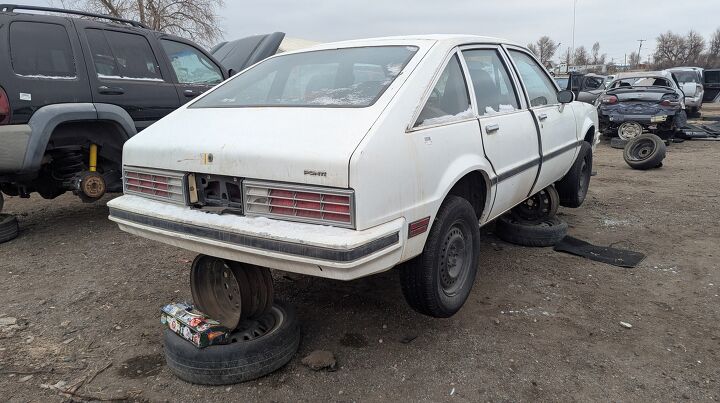
While the Citation and Skylark stayed in production through 1985, the Phoenix got the axe after the 1984 model year. 26 years later, Pontiac itself was discontinued.
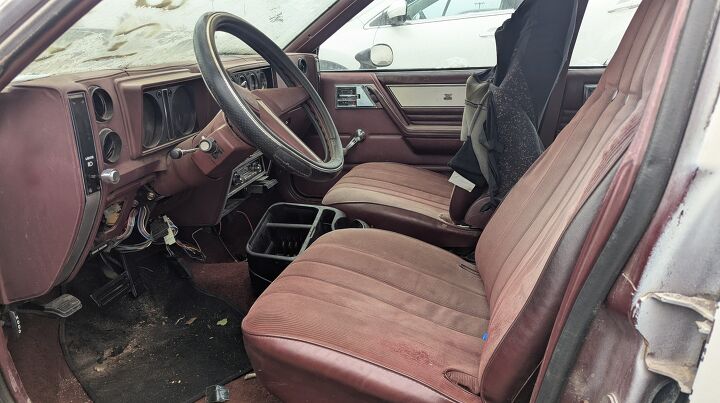
1981 Pontiac Phoenix in Colorado junkyard.
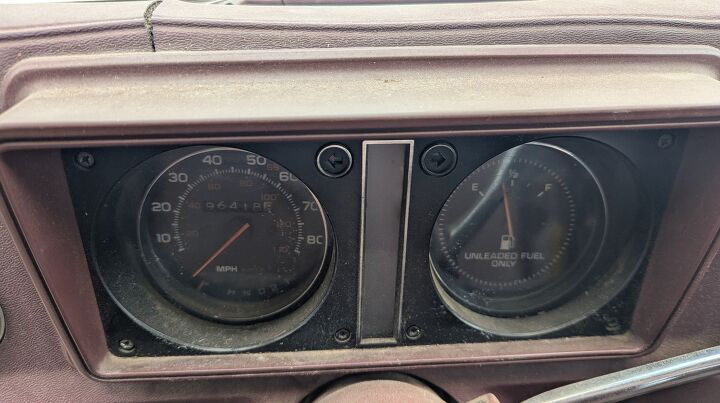
1981 Pontiac Phoenix in Colorado junkyard.
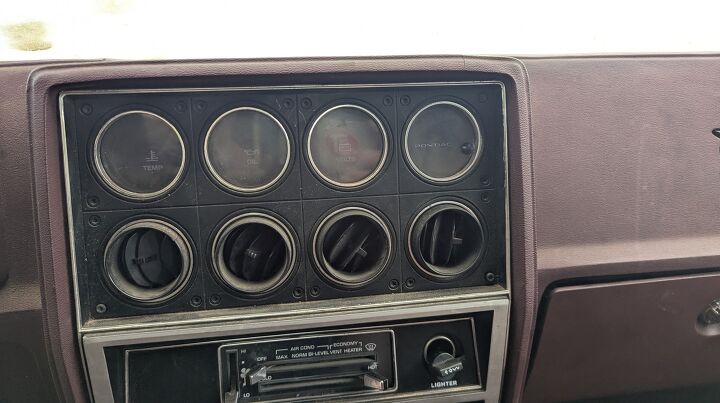
1981 Pontiac Phoenix in Colorado junkyard.
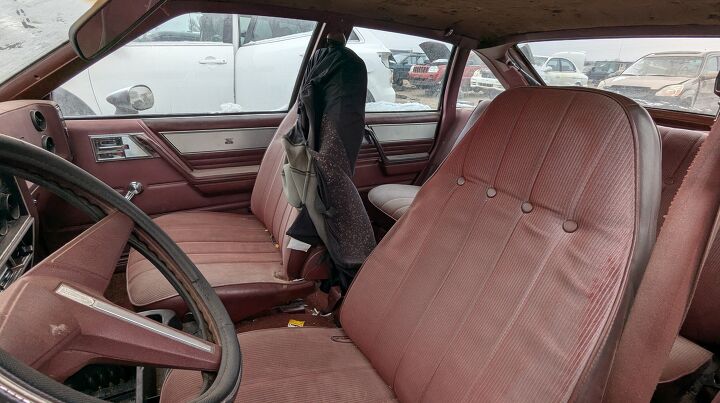
1981 Pontiac Phoenix in Colorado junkyard.
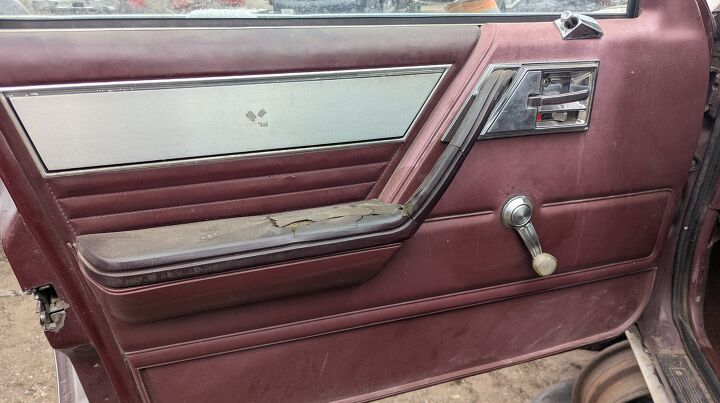
1981 Pontiac Phoenix in Colorado junkyard.
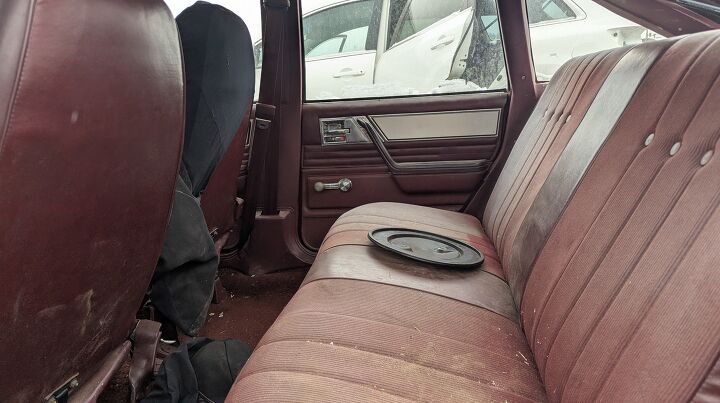
1981 Pontiac Phoenix in Colorado junkyard.
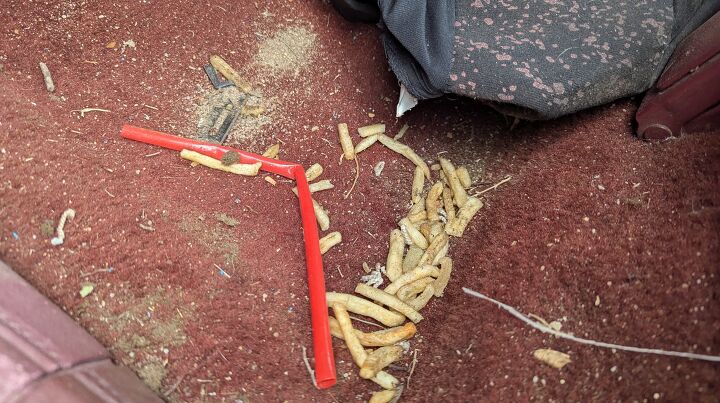
1981 Pontiac Phoenix in Colorado junkyard.
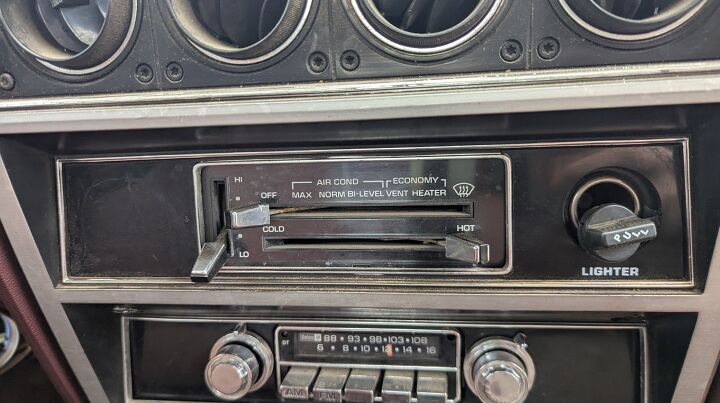
1981 Pontiac Phoenix in Colorado junkyard.
1981 Pontiac Phoenix in Colorado junkyard.
1981 Pontiac Phoenix in Colorado junkyard.
1981 Pontiac Phoenix in Colorado junkyard.
1981 Pontiac Phoenix in Colorado junkyard.
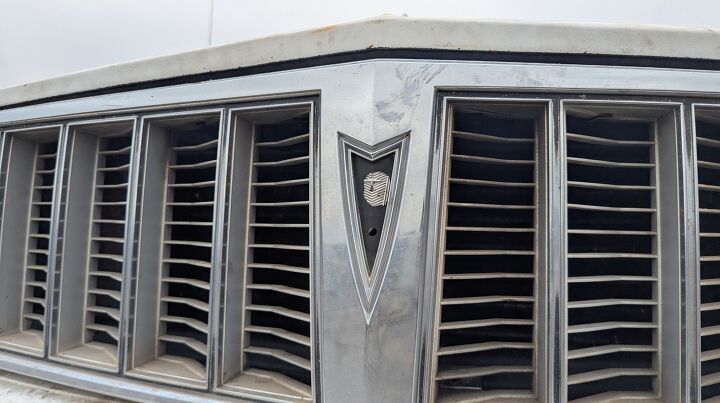
1981 Pontiac Phoenix in Colorado junkyard.
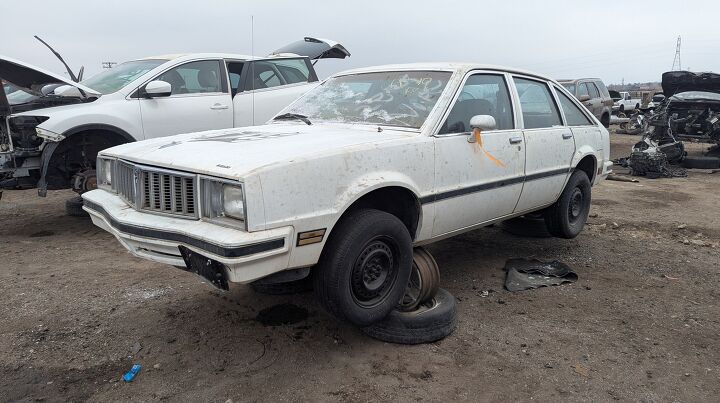
1981 Pontiac Phoenix in Colorado junkyard.
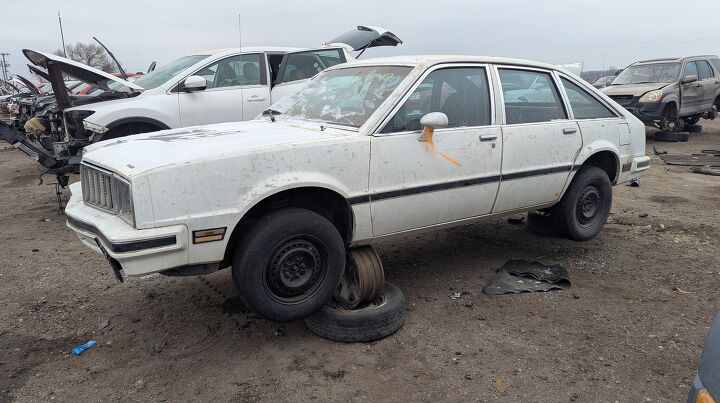
1981 Pontiac Phoenix in Colorado junkyard.
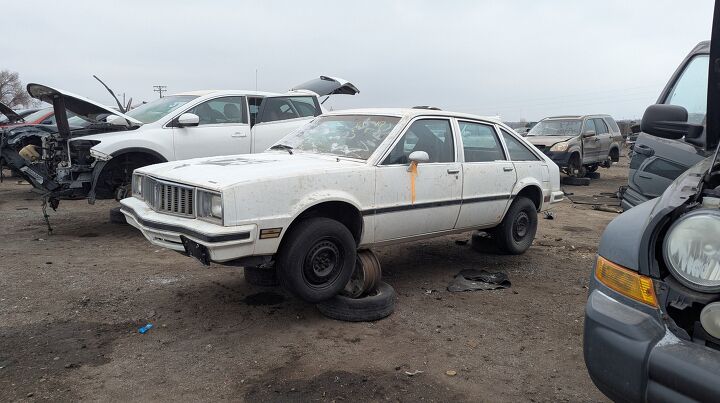
1981 Pontiac Phoenix in Colorado junkyard.
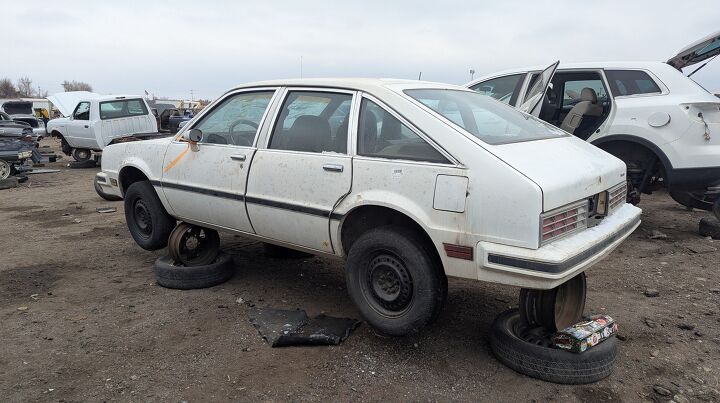
1981 Pontiac Phoenix in Colorado junkyard.
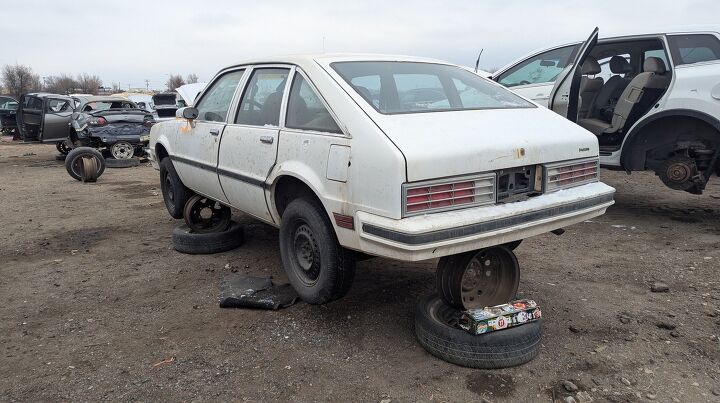
1981 Pontiac Phoenix in Colorado junkyard.
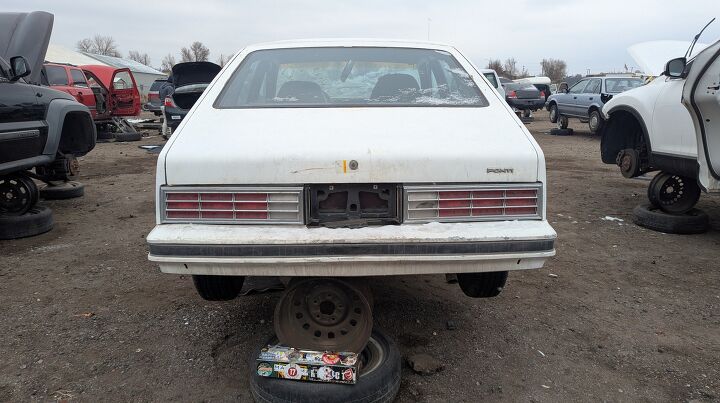
1981 Pontiac Phoenix in Colorado junkyard.
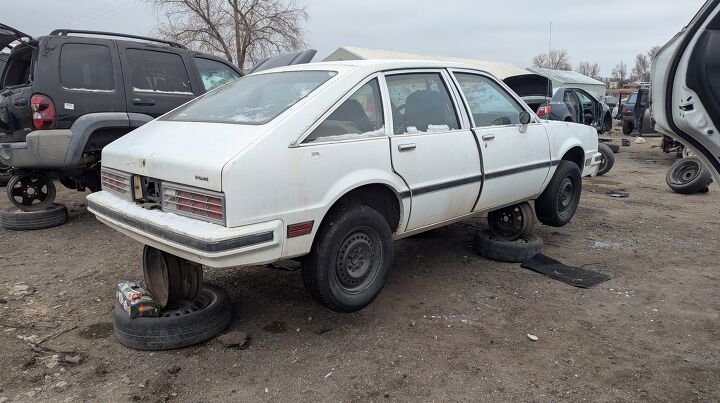
1981 Pontiac Phoenix in Colorado junkyard.
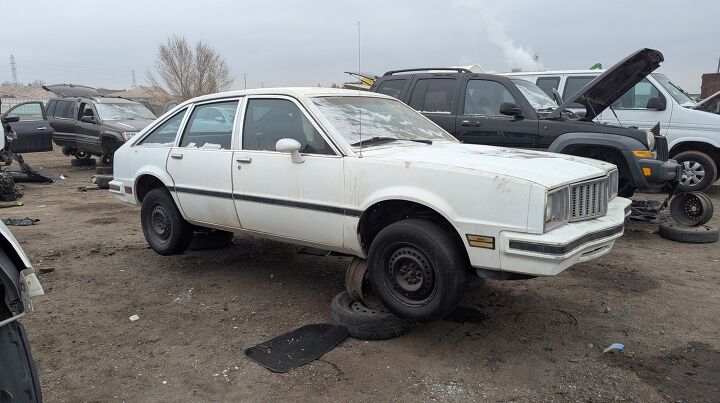
1981 Pontiac Phoenix in Colorado junkyard.
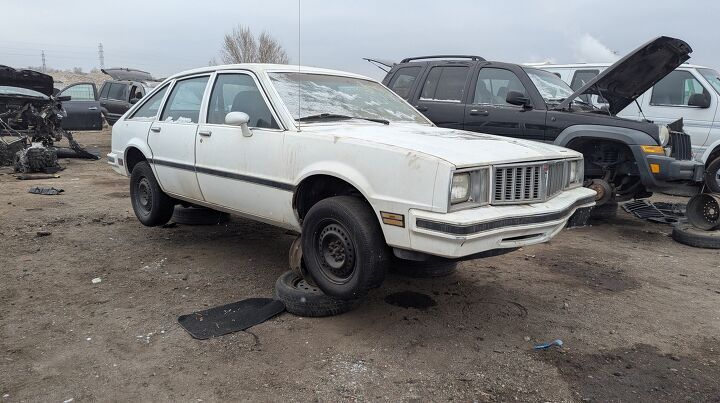
1981 Pontiac Phoenix in Colorado junkyard.
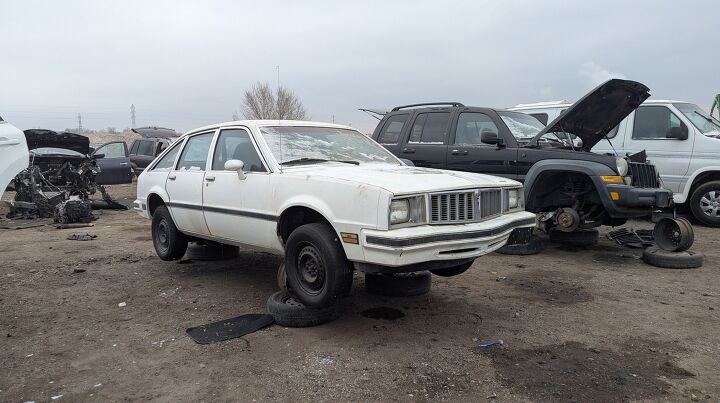
1981 Pontiac Phoenix in Colorado junkyard.
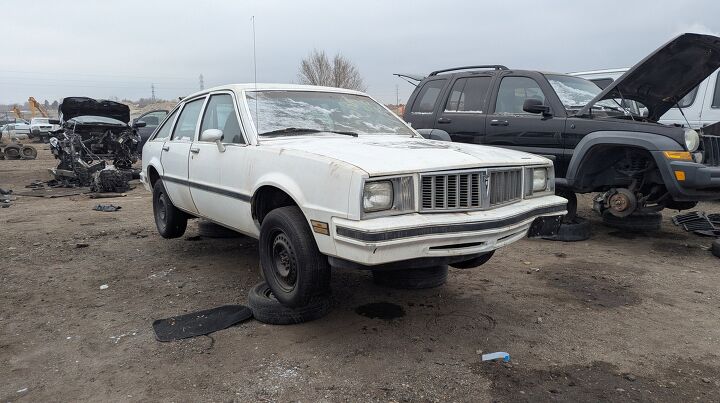
1981 Pontiac Phoenix in Colorado junkyard.
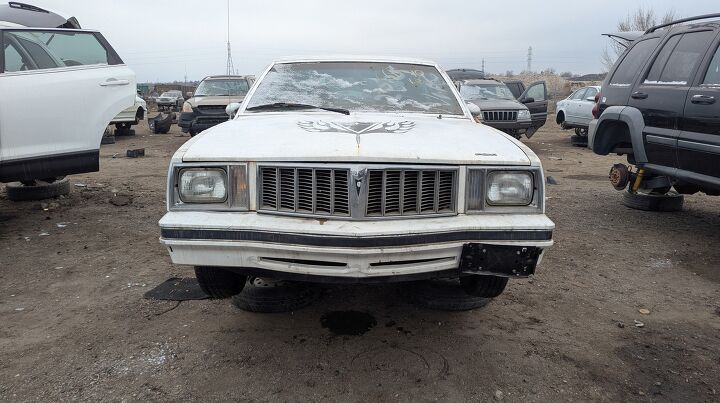
1981 Pontiac Phoenix in Colorado junkyard.
[Images: The Author]
Become a TTAC insider. Get the latest news, features, TTAC takes, and everything else that gets to the truth about cars first by subscribing to our newsletter.