

Europe’s controversial 2035 emissions laws will be wound back to allow the sale of a limited number of hybrid vehicles using internal combustion engines under a new proposal tabled in the European Parliament.
Reports earlier this month speculating on a proposed move have been proved correct after the European Commission (EC) officially announced plans to make the changes to the laws, following pressure from automakers.
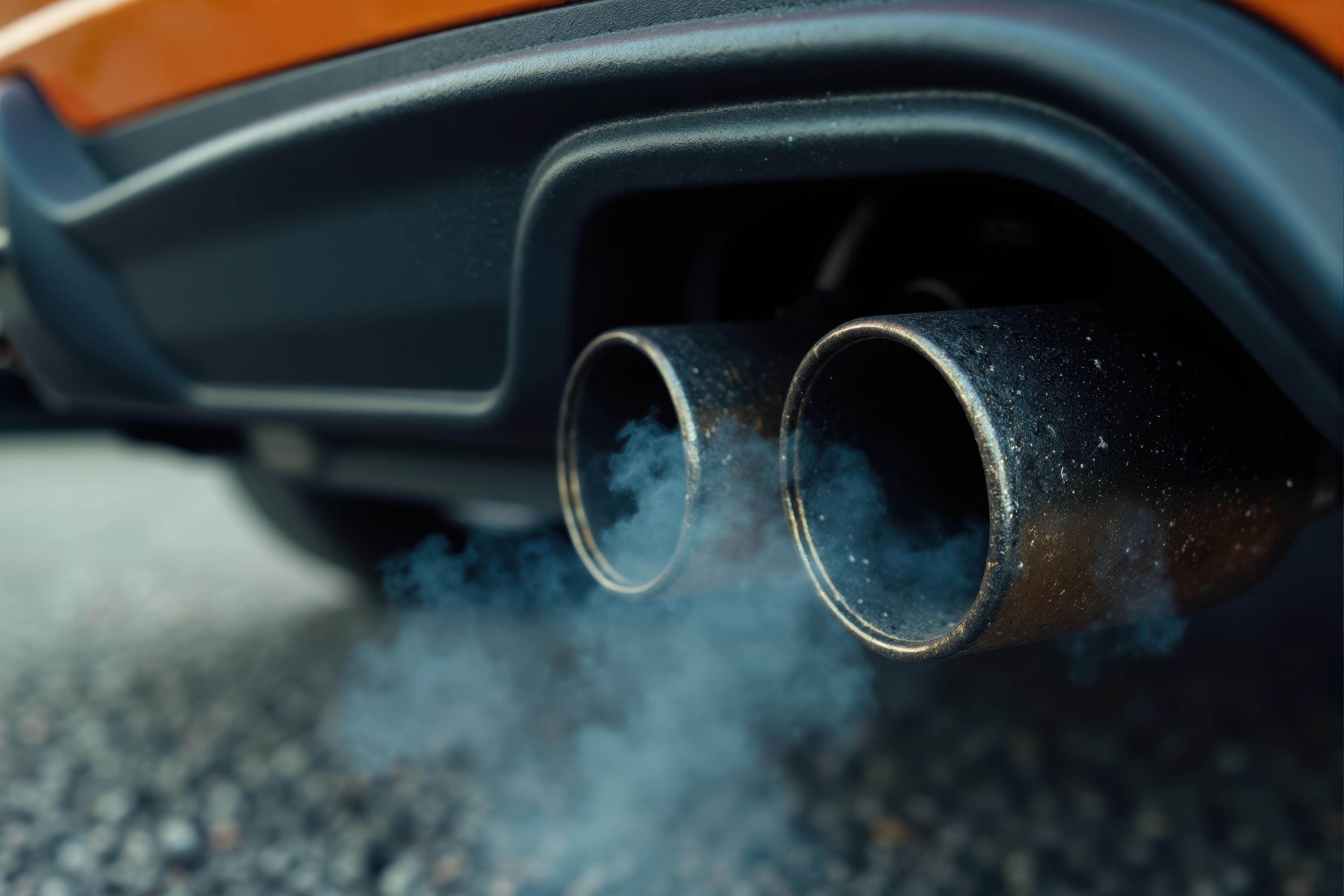
The previous emissions regulations would have effectively banned the sale of new vehicles with internal combustion engines (ICE) by mandating that all new light vehicles sold could not “emit any carbon-dioxide [tailpipe] emissions”.
While having no impact on vehicles already on the road, financial penalties would be paid by any automaker that exceeded its fleet emissions target.
CarExpert can save you thousands on a new car. Click here to get a great deal.

The European Union said 2035 was chosen given the typical 15-year lifespan of a vehicle in Europe, helping the broader goal of the transport sector to become carbon-neutral by 2050.
“The fleet-wide CO2 emission target for 2035 will require a 90 per cent decrease in emissions [compared with 2021], so in practice that will mean 90 per cent of vehicles will be electric, abiding by the principle of technological neutrality,” reads the proposal from the European Commission.
Emissions from the portion of ICE-powered vehicles – be they petrol, diesel, hybrid or plug-in hybrid – would be offset by other measures, such as the use of synthetic and low-emission fuel as well as ‘green steel’ production.
The plans also include incentivising small battery-electric vehicles produced in the EU with ‘super credits’, in a bid to stave off an influx of competition from China.
As reported by Automotive News, the Commission will present the changes to the European Parliament in 2026.
“We hope an agreement can be struck as quickly as possible to guarantee stability,” Commission Executive Vice President Stéphane Séjourné said.
Many automakers had pushed for a change to the proposed regulations, citing slower-than-anticipated uptake of electric vehicles (EVs) and a lack of charging infrastructure as key factors.
That’s despite EVs taking a 16.4 per cent share of new European vehicle sales to the end of October 2025 – double the 8.2 per cent share in Australia to November 30, and more than the 5.3 per cent share of US sales in November predicted by S&P Global.
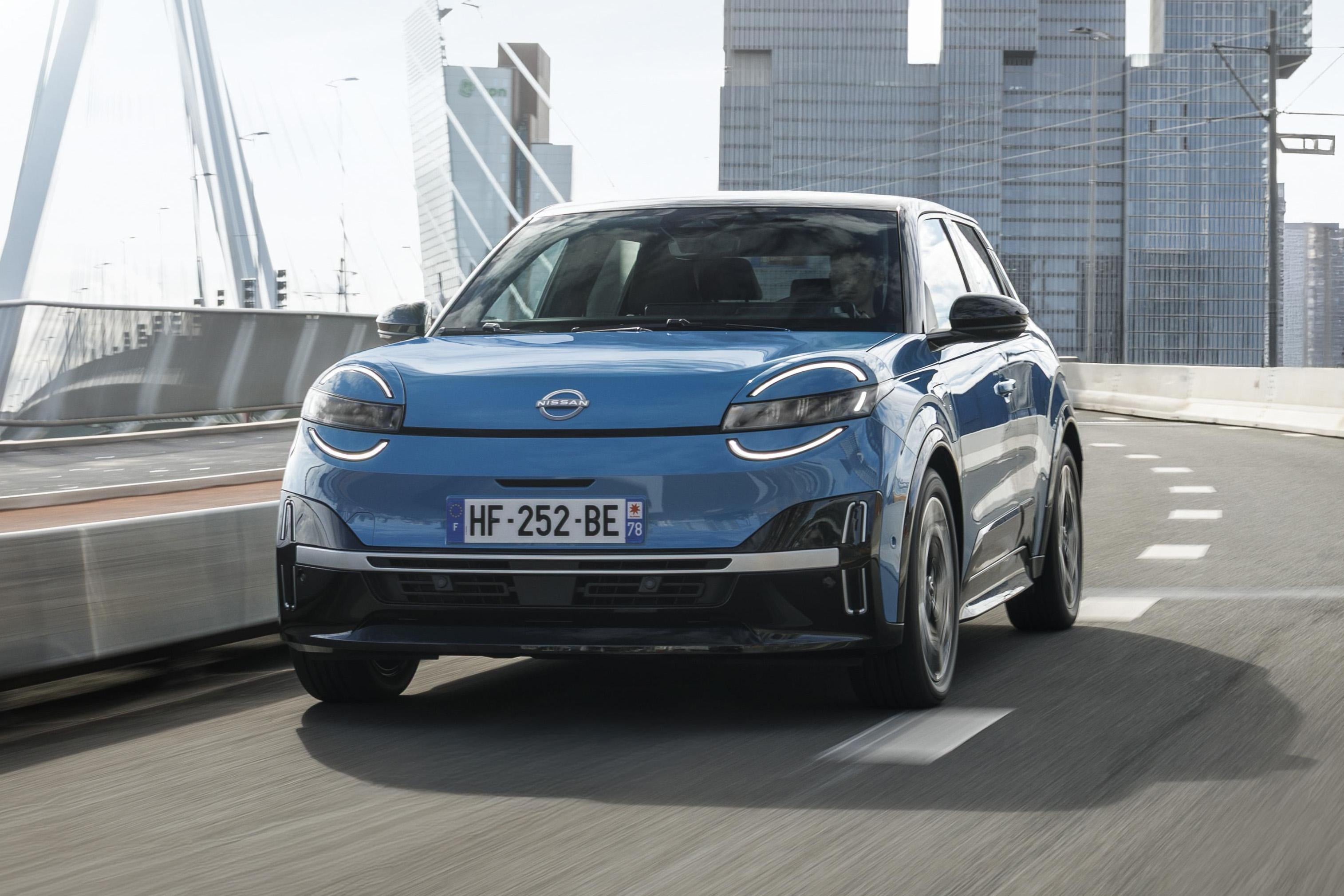
While EV sales are increasing, sales momentum and growth remain with hybrid and plug-in hybrid models, making up 34.6 per cent and 9.1 per cent, respectively, of all new vehicle sales in the EU to the end of October.
As reported by theBBC, the European Automobile Manufacturers’ Association had warned the 100 per cent target would have cost the auto industry “multi-billion” penalties.
Earlier this month, Ford called for the 2035 target to include hybrid models after suffering significant losses on EVs.
Polestar CEO Michael Lohscheller has slammed the changes to emissions regulations, arguing Europe “doesn’t have a demand problem, it has a confidence problem”.
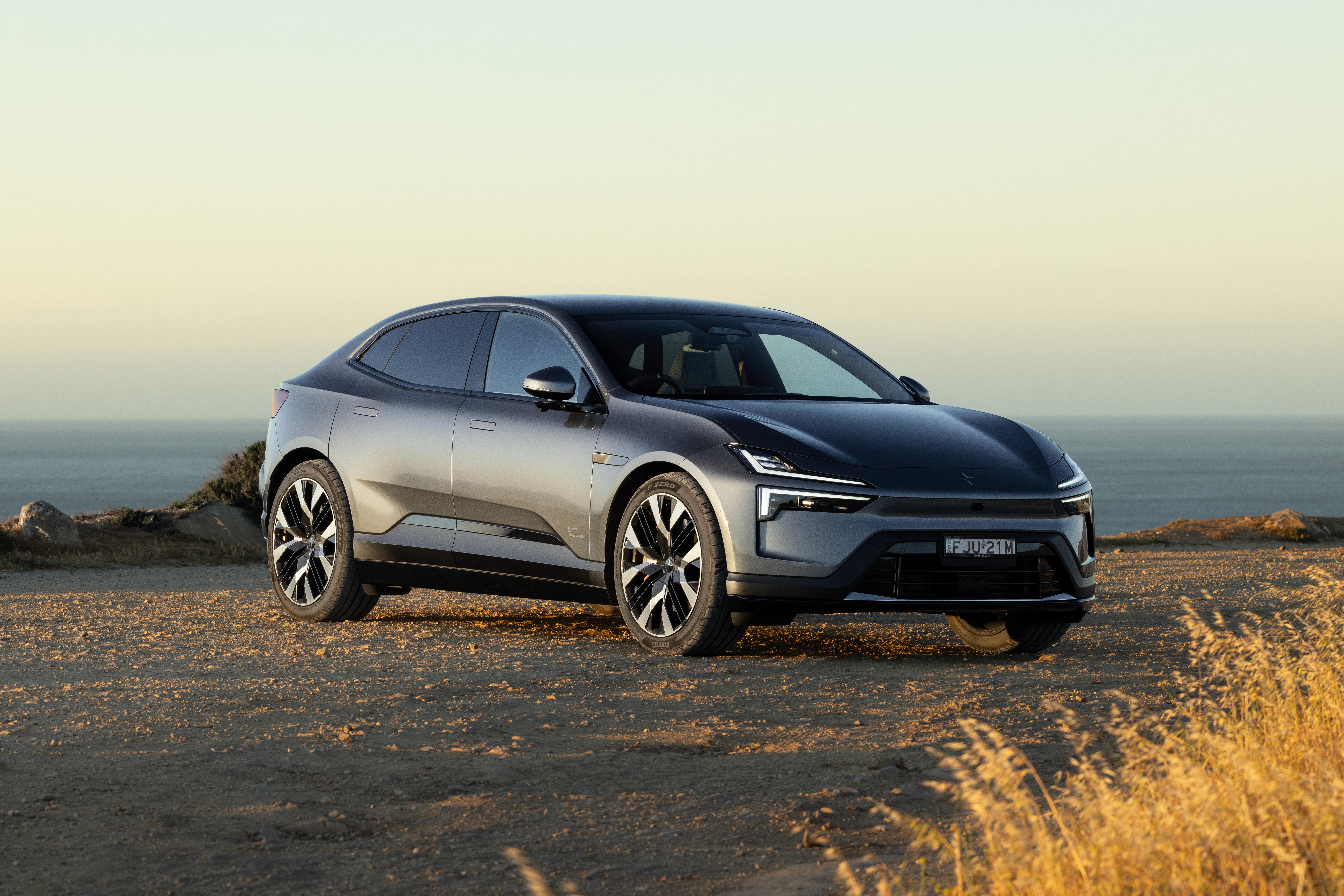
“A fossil fuel car built in 2035 could still be polluting twenty years later. Moving from a clear 100 per cent zero-emissions target to 90 per cent may seem small, but if we backtrack now, we won’t just hurt the climate, we’ll hurt Europe’s ability to compete,” he said in a statement.
“Electrification will create long-term prosperity and jobs for the decades to come. Reversing course would do the opposite: extending the life of outdated industries for a few short years while the rest of the world moves ahead.”
However, larger brands including Volkswagen have responded positively to the changes.
“The European Commission’s pragmatic draft proposal for new CO2 targets is economically sound overall,” a statement from Volkswagen said, as reported by the BBC.
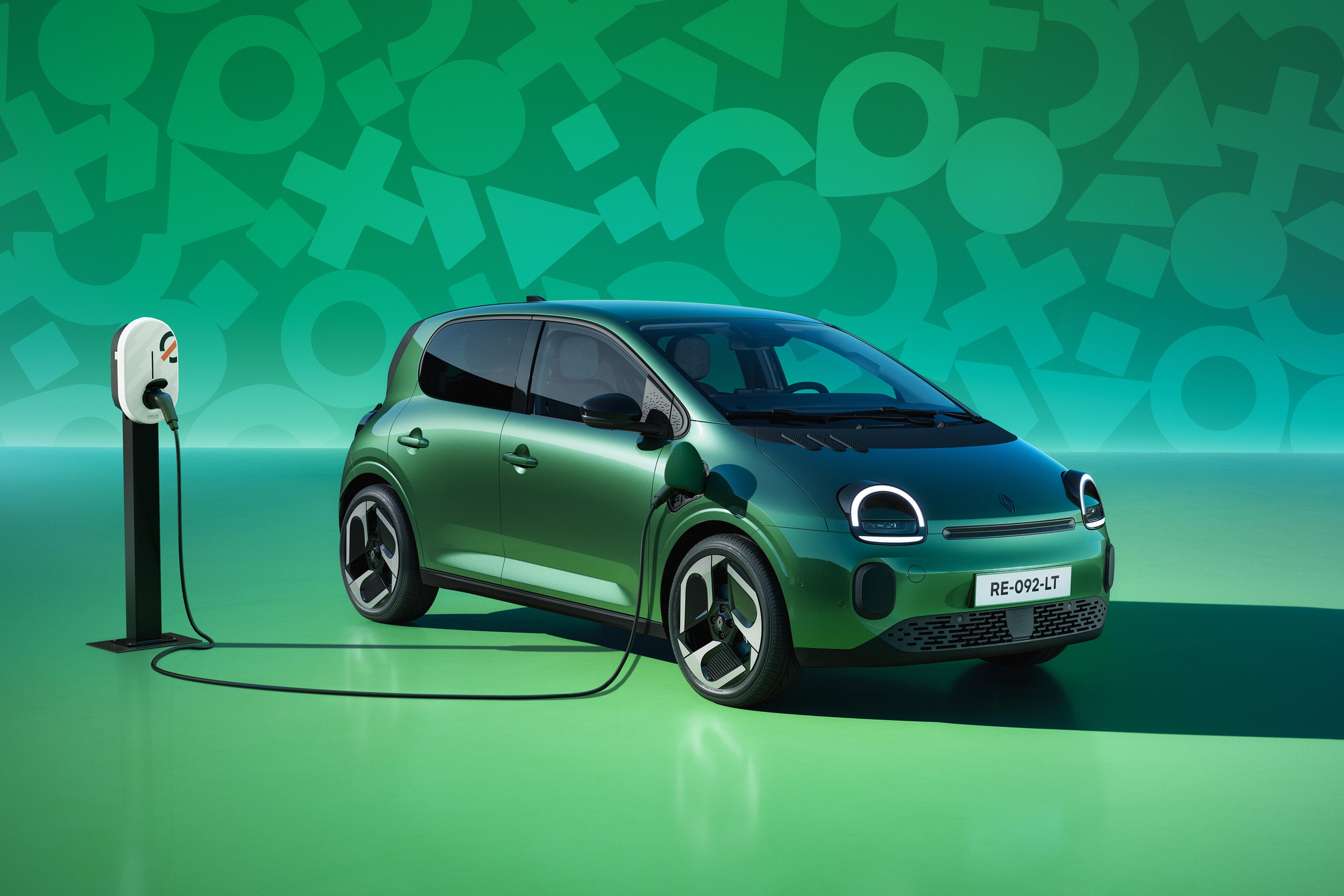
“The fact that small electric vehicles are to receive special support in future is very positive… Opening up the market to vehicles with combustion engines while compensating for emissions is pragmatic and in line with market conditions.”
Others, including Stellantis – which operates more than a dozen auto brands including Jeep, Peugeot, Citroën and Fiat – said the changes fall short.
“The proposals do not meaningfully address the issues that the industry is facing right now,” the company said, according to Reuters.
“Specifically, the package fails to provide a viable trajectory for the light commercial vehicles segment, which is in a critical situation, and the 2030 flexibilities requested by the industry for passenger cars.”
Those 2030 changes include averaging emission targets for each automaker over a three-year period and covering passenger cars and light commercial vehicles.
Stellantis chairman John Elkann said in November that light commercial vehicles should have their own emission targets separate from passenger vehicles.
A similar argument was made successfully by automakers in Australia with the introduction of the New Vehicle Emissions Standard (NVES).
The NVES, which came into effect on January 1, 2025, sets carbon-dioxide emissions limits for passenger cars such as the Toyota Yaris, with a different measure for light commercial models such as the Ford Ranger.
While a 2035 zero-emission law is in place for the ACT, it’s the only jurisdiction in the country to have such regulations legislated so far and the Australian Government hasn’t set any such target.
