

The second-generation Kia Seltos has been unveiled, shifting to a new platform and featuring larger proportions, an overhauled interior, and a multitude of different powertrains.
Revealed to media via an online livestream, the new Seltos – replacing the current model, launched in 2019 – has exterior styling and an interior layout heavily inspired by Kia’s electric vehicles (EVs), including the EV9 and EV5.
The new Seltos will enter production in India this month with petrol power, with Korean production to follow and a hybrid version due later in 2026.
It’s set to debut in Australia during the fourth quarter (October to December) of 2026.
CarExpert can save you thousands on a new car. Click here to get a great deal.
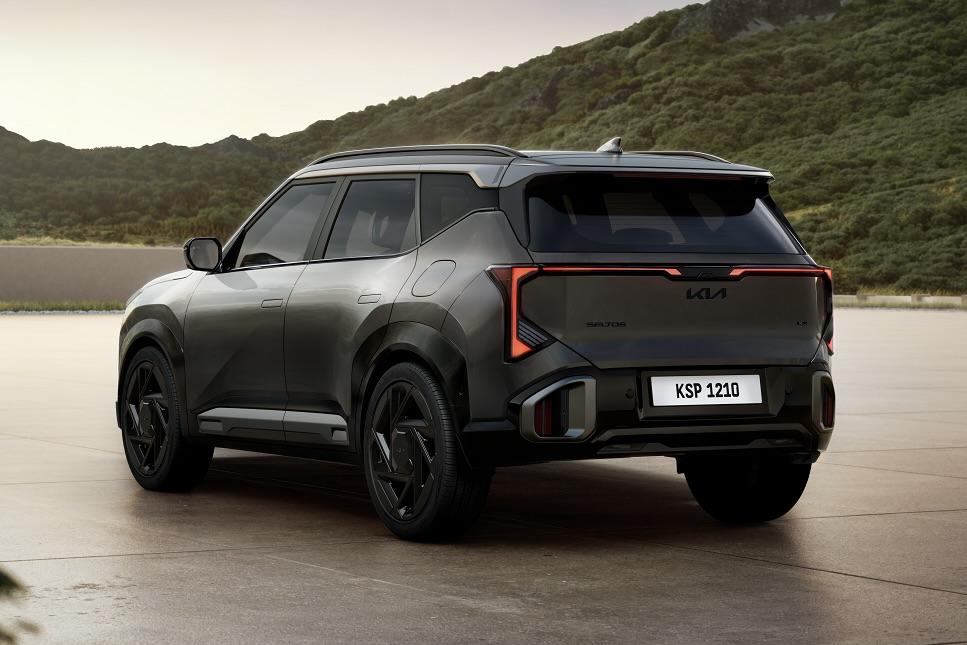
The small SUV will also be offered in Western Europe for the first time, joining a vast array of global markets including the US, Mexico, India, China, South Korea, and Australia.
Underpinning the new Seltos is Kia’s K3 platform, which it has shifted to from the K2 platform. That means it now shares its architecture with Hyundai’s i30 Sedan and Kona, as well as Kia’s Niro and K4, among others.
The Seltos has grown in almost every dimension. Its wheelbase is 60mm longer at 2690mm, while it’s 45mm longer overall at 4430mm, 30mm wider at 1830mm. Cargo capacity has also been increased from 498 litres to 536 litres, though the Seltos is now 35mm lower at 1600mm.
Kia says the Seltos’ new platform delivers improved ride, handling, and stability, along with greater body rigidity and improved noise insulation. Importantly, it has also enabled the use of several new powertrains.
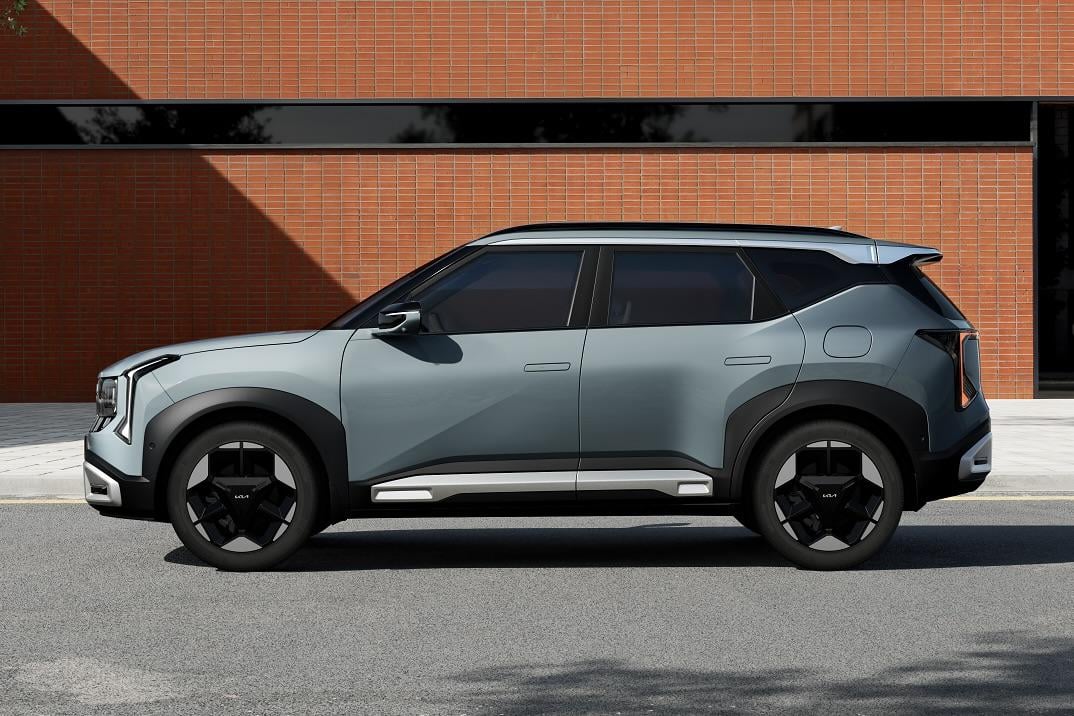
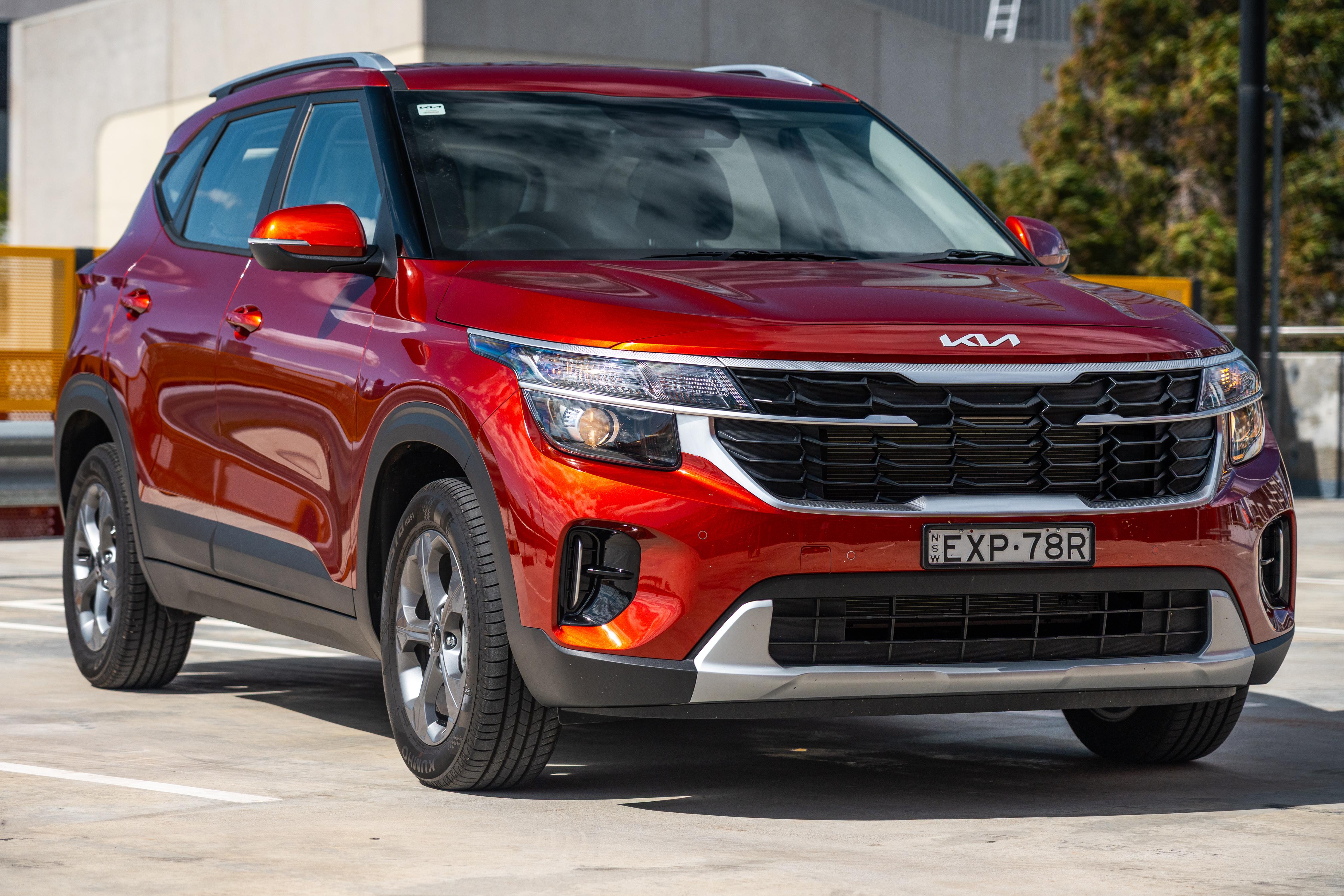
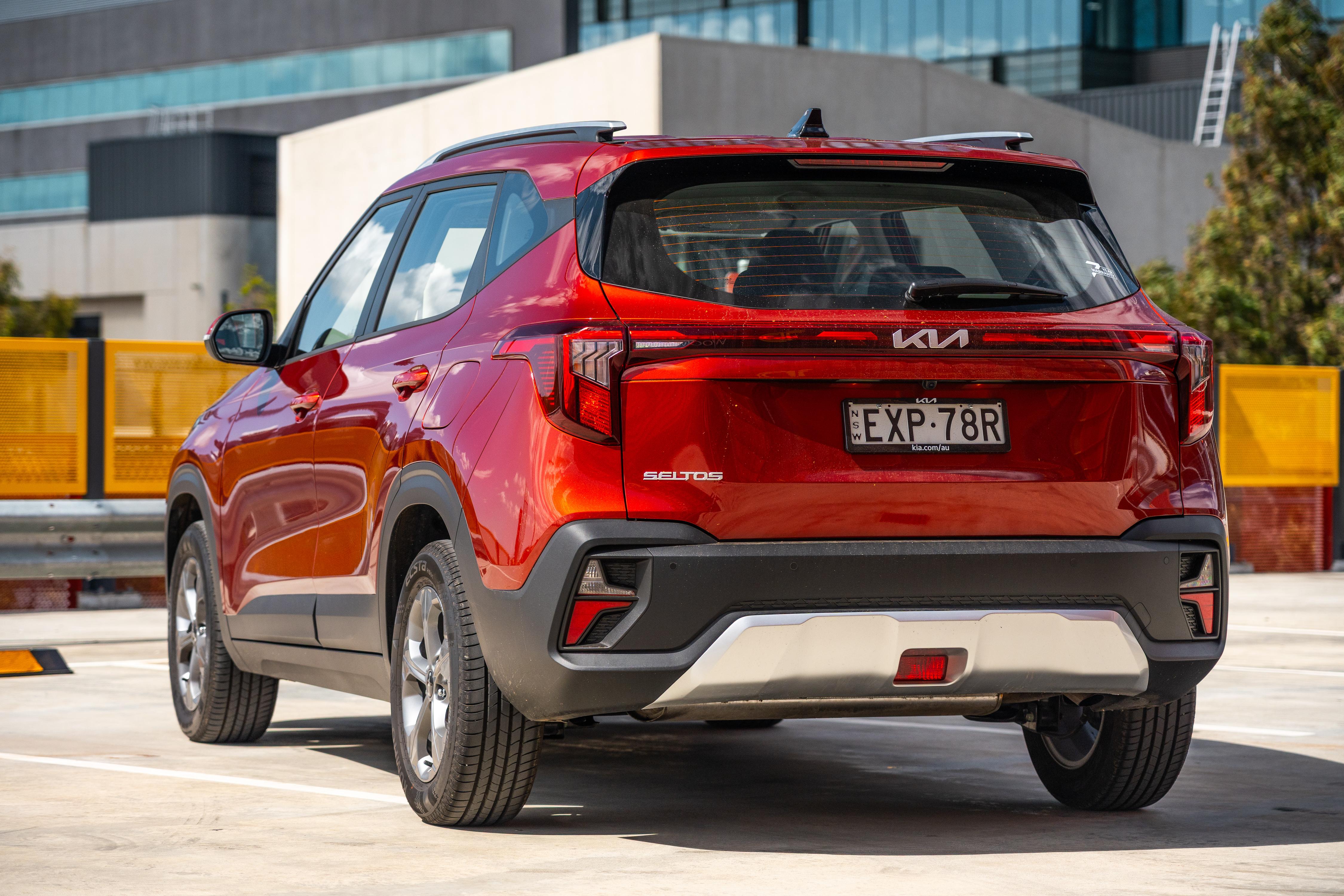
Highlights of the new exterior look include a wide rectangular front grille with a unique headlight signature, diagonal “character lines” down the SUV’s sides, and bold rear taillights “to emphasise width and stability” – all very reminiscent of the EV5.
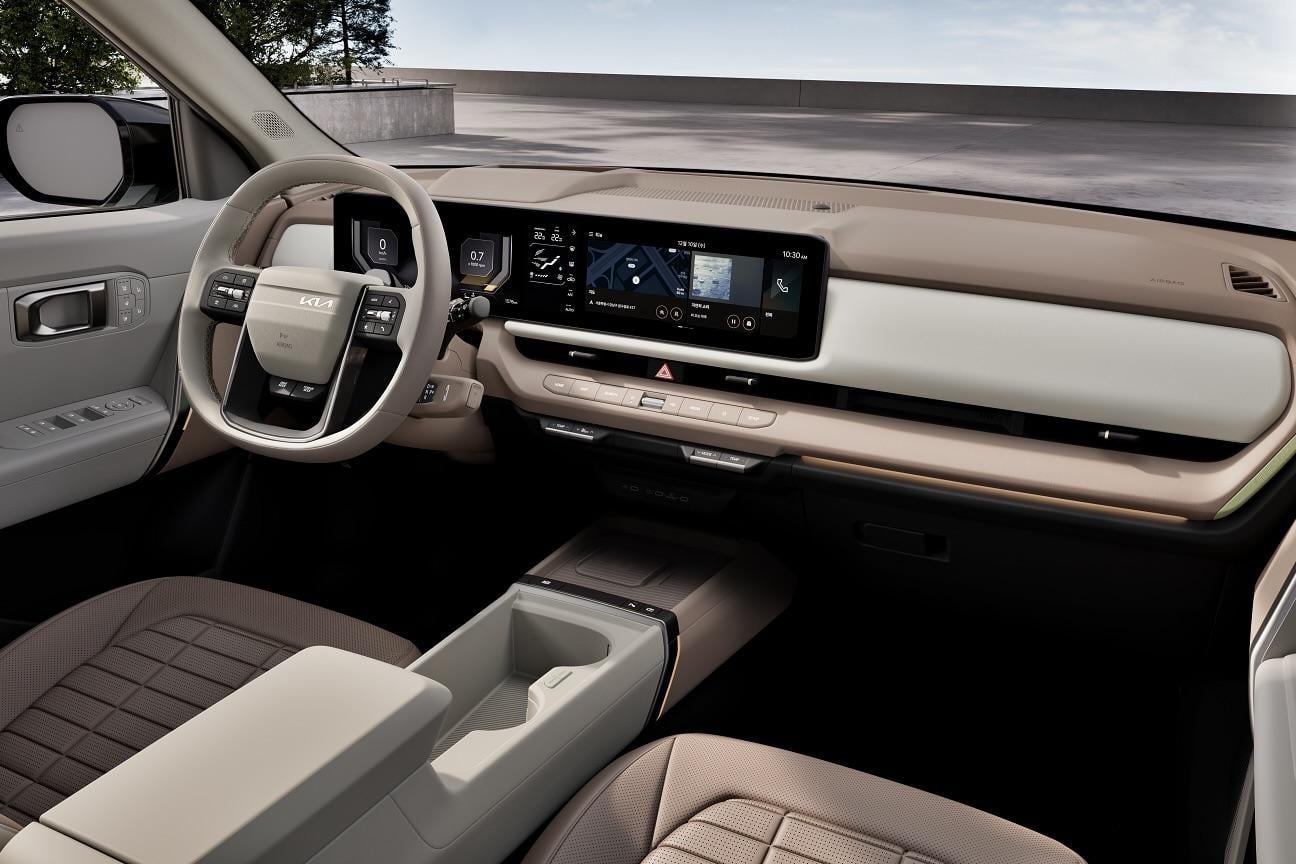
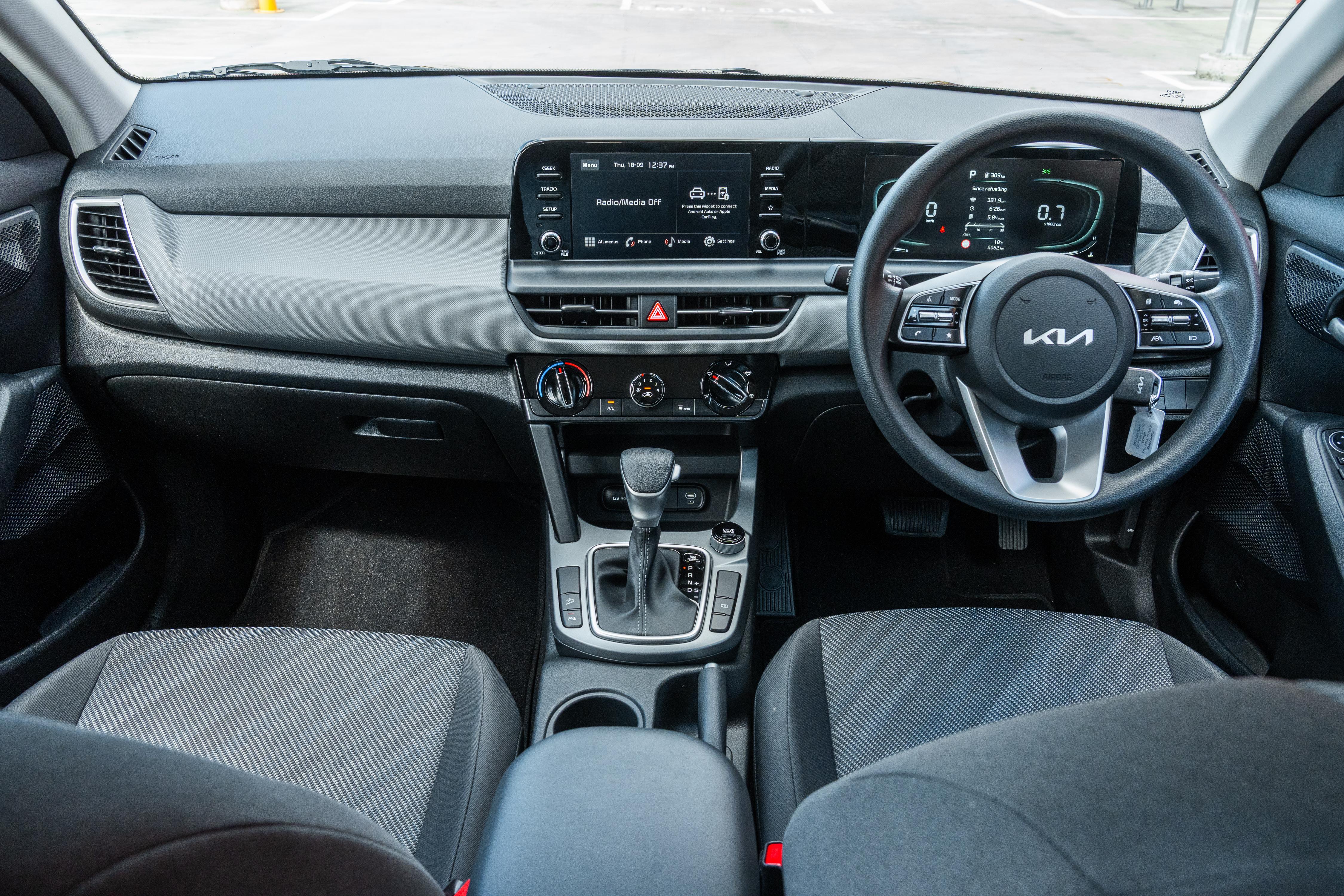
Meanwhile, the interior now features dual 12.3-inch displays for infotainment and instruments, along with a dedicated third panel for climate control. Kia has also introduced a ChatGPT-powered AI voice assistant, while the Seltos now supports over-the-air (OTA) updates and ‘digital key’ smartphone functionality.
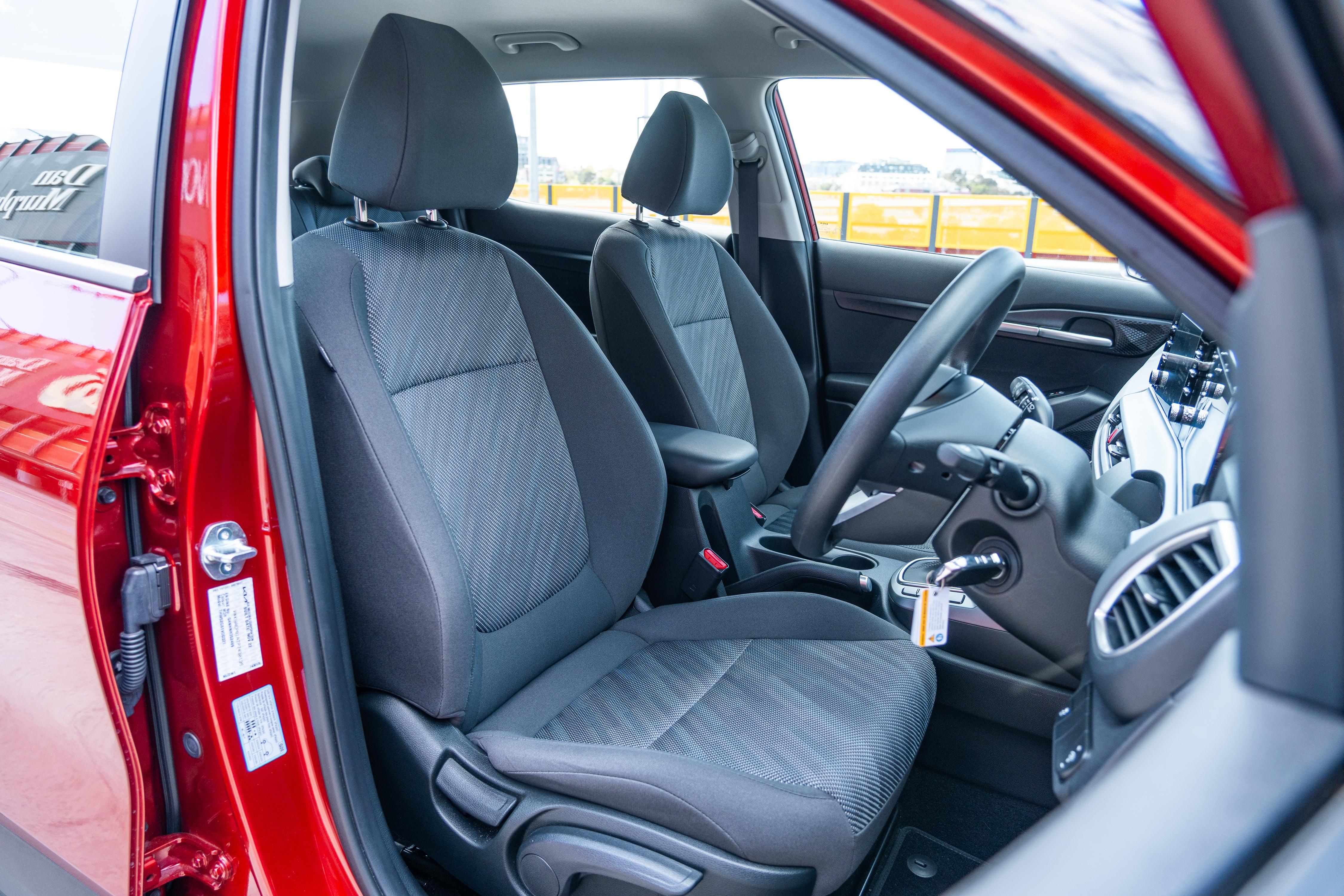
There are also new seats, a new steering wheel, a new dashboard design, reclining rear seats, and a panoramic sunroof – the latter replacing the current generation’s single-pane unit. Bose and Harman/Kardon sound systems are available.
A new X-Line variant will join the fray, bringing a unique bumper design with gunmetal grey finishes. This complements three new matte exterior colours called Ivory Silver, Dark Gun Metal, and Magma Red.
At launch, two 1.6-litre four-cylinder turbo-petrol engines with differing outputs will be available. The new ‘Standard Output’ version produces 132kW of power and 265Nm of torque, and will be available with either a seven-speed dual-clutch automatic transmission or a six-speed manual.
The ‘High Output’ alternative, meanwhile, bumps power to 142kW while keeping torque the same and swaps in an eight-speed torque-converter automatic. This is most comparable to the turbo engine in the outgoing Seltos.
Carrying over is the 2.0-litre naturally aspirated four-cylinder engine, which will still produce 110kW and 179Nm, and continue to be paired with a continuously variable automatic transmission (CVT).
In 2026, a hybrid powertrain will be introduced for the Seltos for the first time. Details are not yet known, other than that it will feature Kia’s so-called ‘smart regenerative braking’ and vehicle-to-load (V2L) capability.
Additionally, front- and all-wheel drive configurations will continue to be offered, as will a choice of torsion-beam or multi-link independent rear suspension depending on the variant.
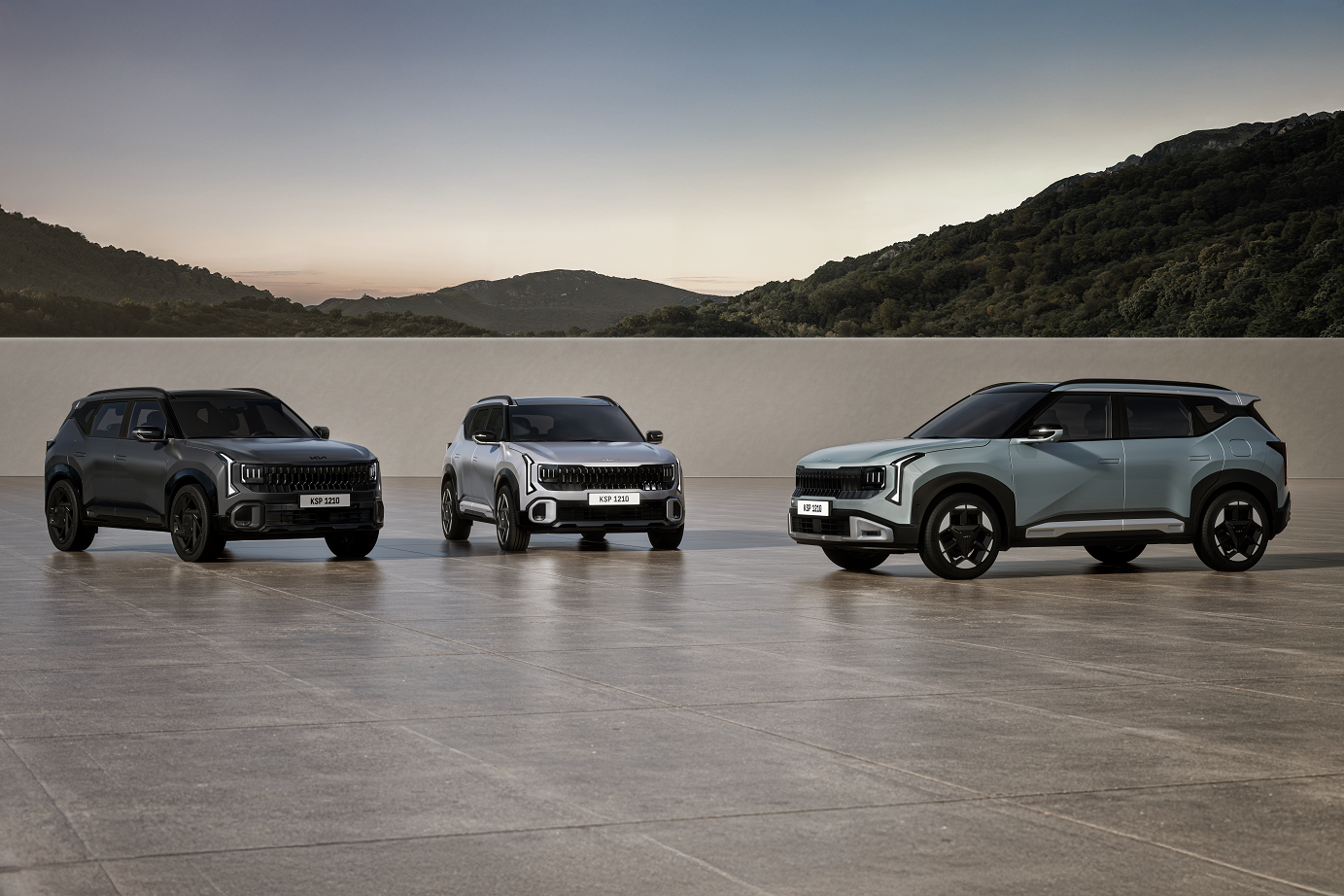
While an Australian launch in the fourth quarter (October-December) of 2026 has been confirmed, local specifications and pricing are yet to be locked in. Given the Seltos will gain a hybrid powertrain earlier in the year, it’s possible that Kia Australia may be waiting to prioritise a hybridised Seltos to rival the Toyota Corolla Cross.
A hybrid Seltos would join Kia’s ever-growing range of electrified models in Australia. Its hybrid portfolio currently includes the Niro (which could be replaced by a hybrid Seltos), Sportage, Sorento, and Carnival, while its fully electric offerings include the EV3, EV5, EV6, EV9, and, soon, the EV4.
In any case, the Seltos has proven itself as one of Kia’s most popular global models. It peaked in 2023 with 339,857 global sales and backed it up with a further 295,106 in 2024, leading the Korean brand to target 430,000 sales for the new model.
It expects this to be led by the US (130,000 sales) and India (100,000 sales), with strong support from Europe and, of course, South Korea. That said, the upgrades will likely bring some price increases, but Kia still expects the Seltos to be positioned competitively.
MORE: Kia Niro’s Australian future in doubt as EV3, Seltos hybrid loom
